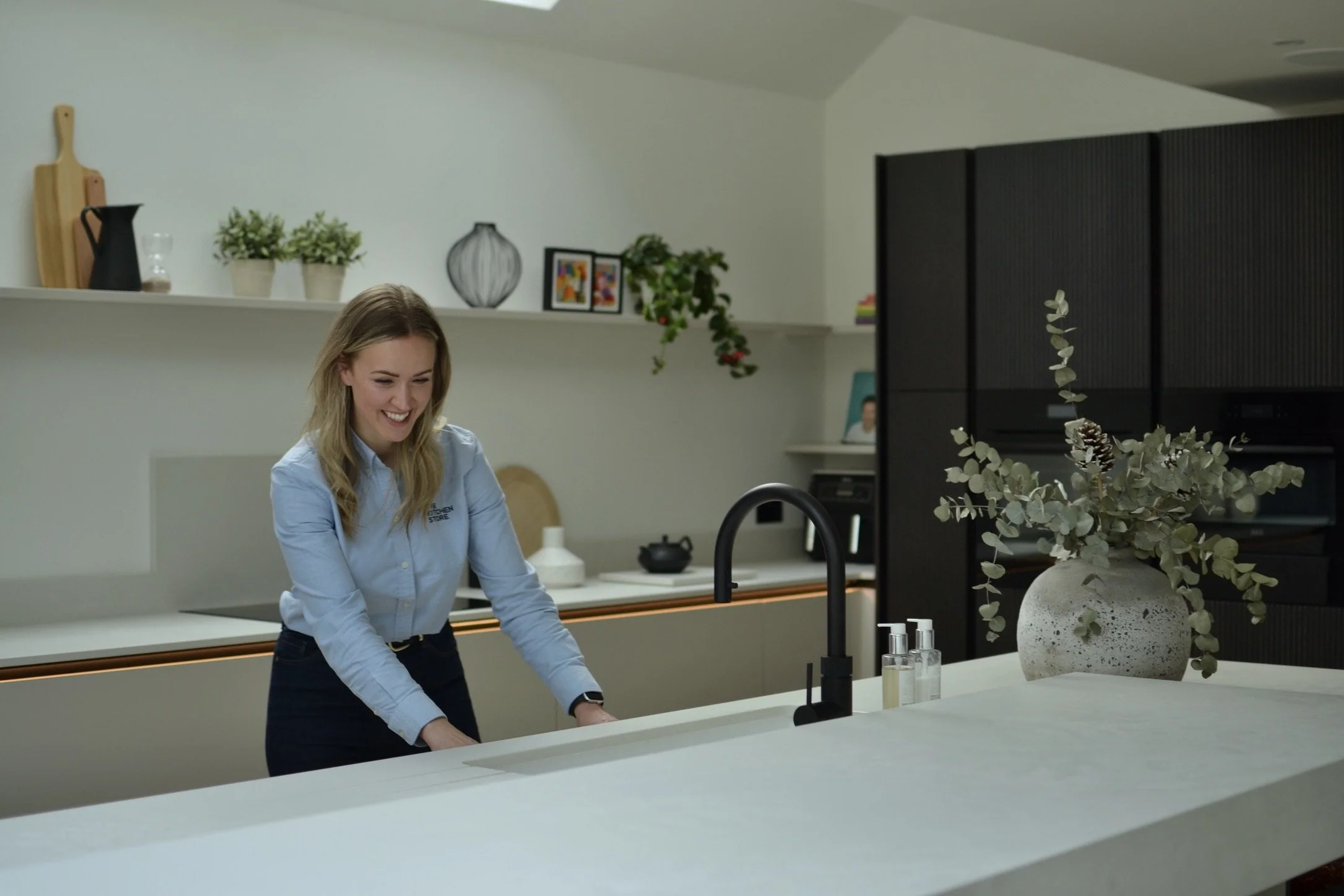
Light, calm, and considered
Nordic Kitchens
Nordic design is rooted in a simple proposition: a well-made space, filled with natural light, using honest materials. In kitchens, that philosophy produces something quietly beautiful, calm, functional, and warm in a way that has nothing to do with colour and everything to do with the quality of what's there.
What is a Nordic kitchen?
Nordic kitchens are inspired by Scandinavian design, where long winters and limited natural light shaped a style focused on simplicity, functionality and warmth. The result is a kitchen that feels clean and uncluttered, but still calm and welcoming.
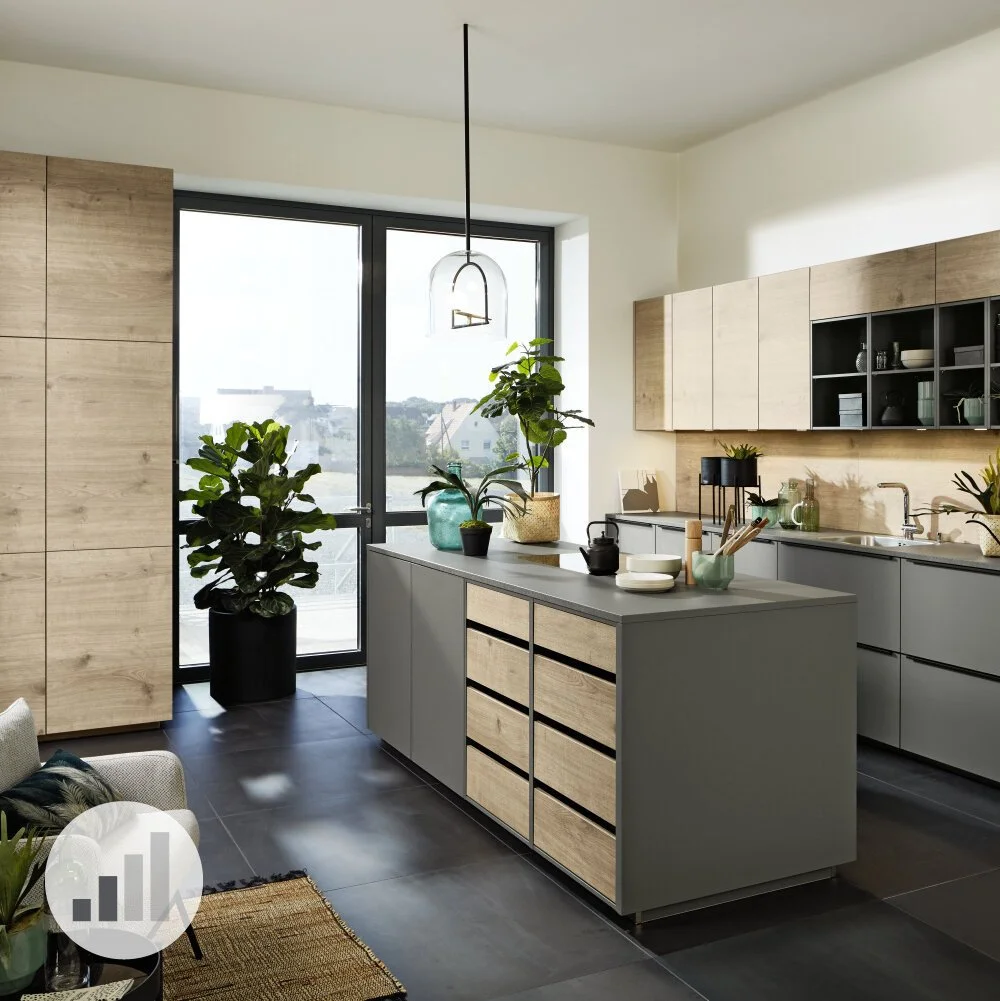
Light woods such as oak and ash are often paired with soft whites, pale greys and natural textures to create a bright, airy feel. Compared to Japandi, Nordic kitchens tend to feel lighter in tone and more closely connected to the Scandinavian idea of hygge: comfort, warmth and ease in everyday living.
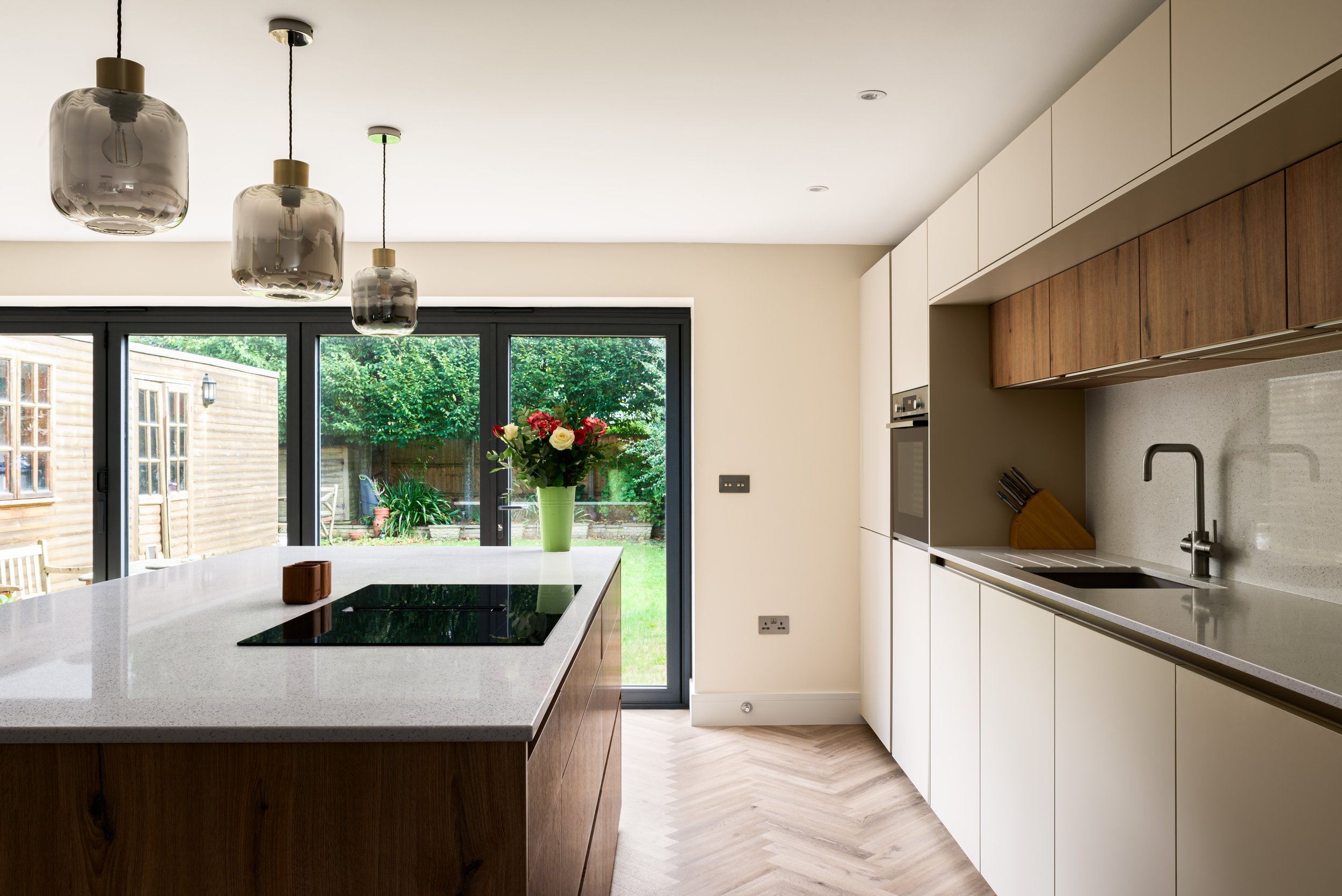
Key features of a Nordic kitchen
Light Palette
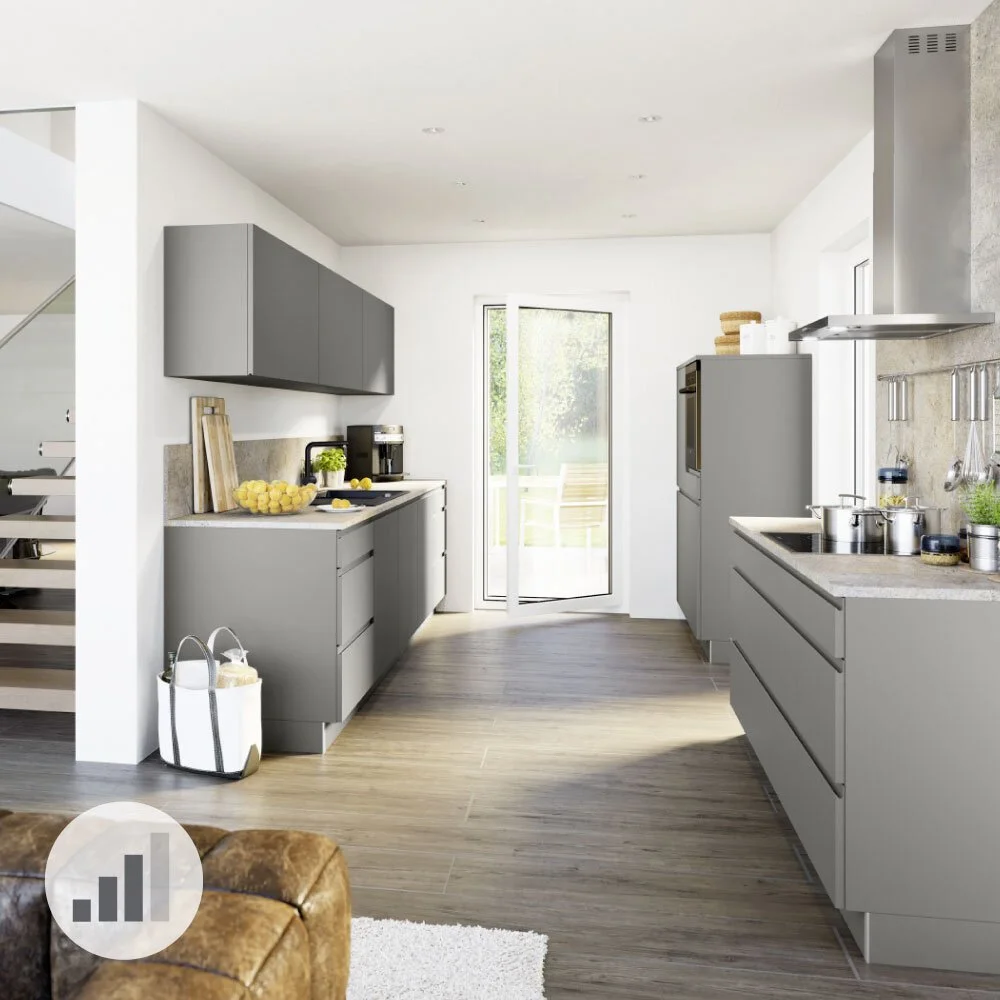
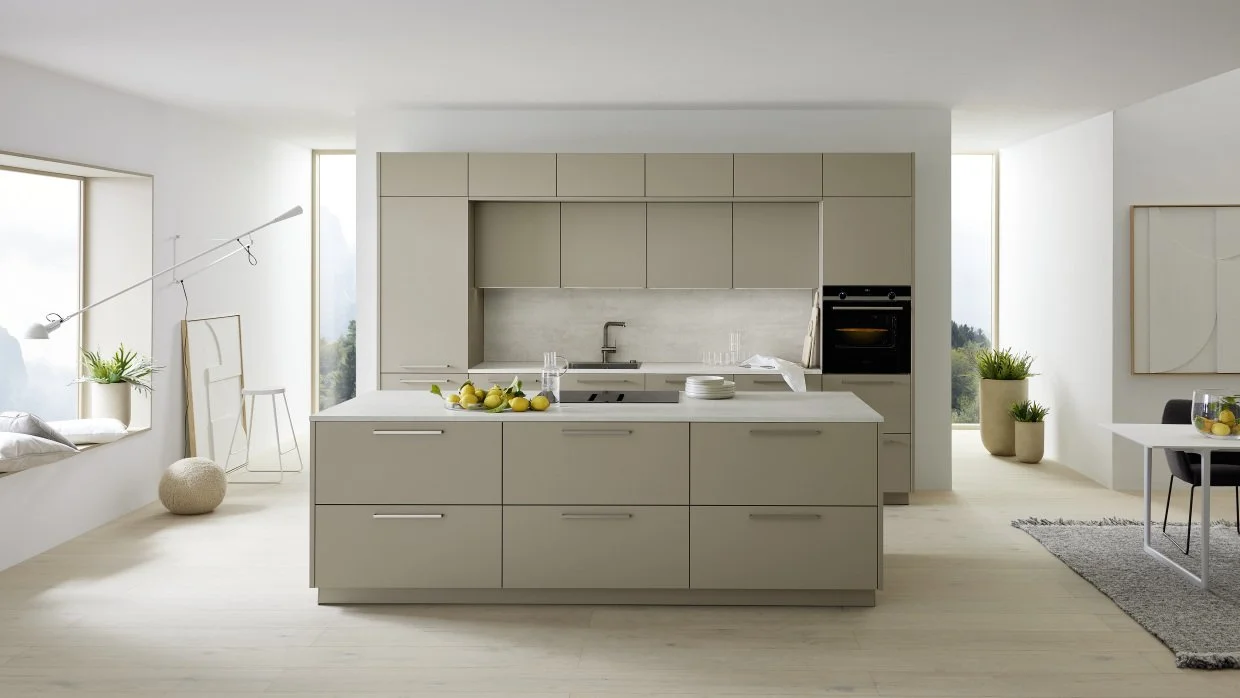
Clean whites, warm whites, pale grey, and natural linen tones, a restrained base that lets natural light and material quality do the work.
Natural Timber
Light oak, birch, or ash for cabinetry, shelving, and islands, organic warmth that paint can't replicate in a space built around restraint.
Matte Surfaces Throughout
From cabinetry to worktops, soft-sheen and matte finishes are used throughout; gloss is rarely seen in Nordic design.
Minimal Upper Cabinetry
Open shelving is often used alongside or instead of wall units, maximising the sense of light and giving the kitchen an airy, unenclosed feel.
Considered Accessories
A ceramic pot, a wooden spoon, a linen blind, a Nordic kitchen is finished with restraint, not decoration, and every object has earned its place.
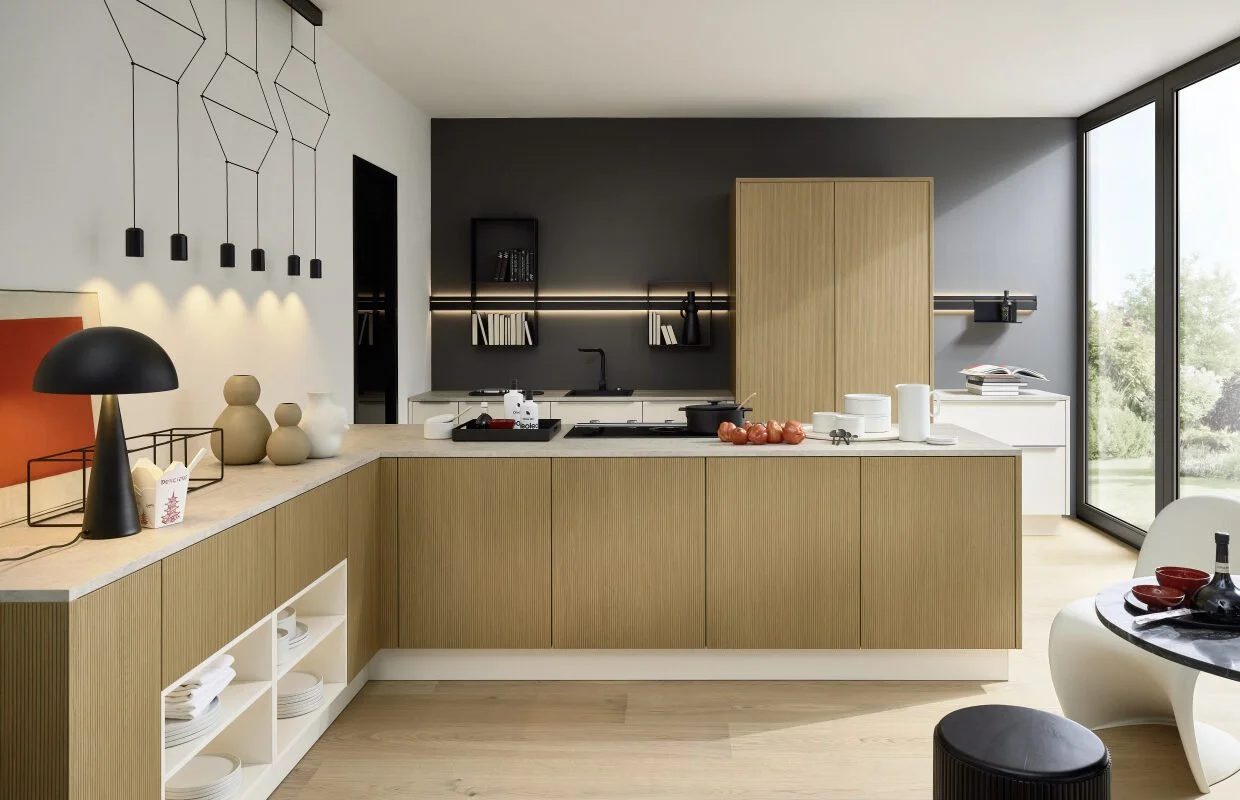
Explore Nordic kitchen ranges
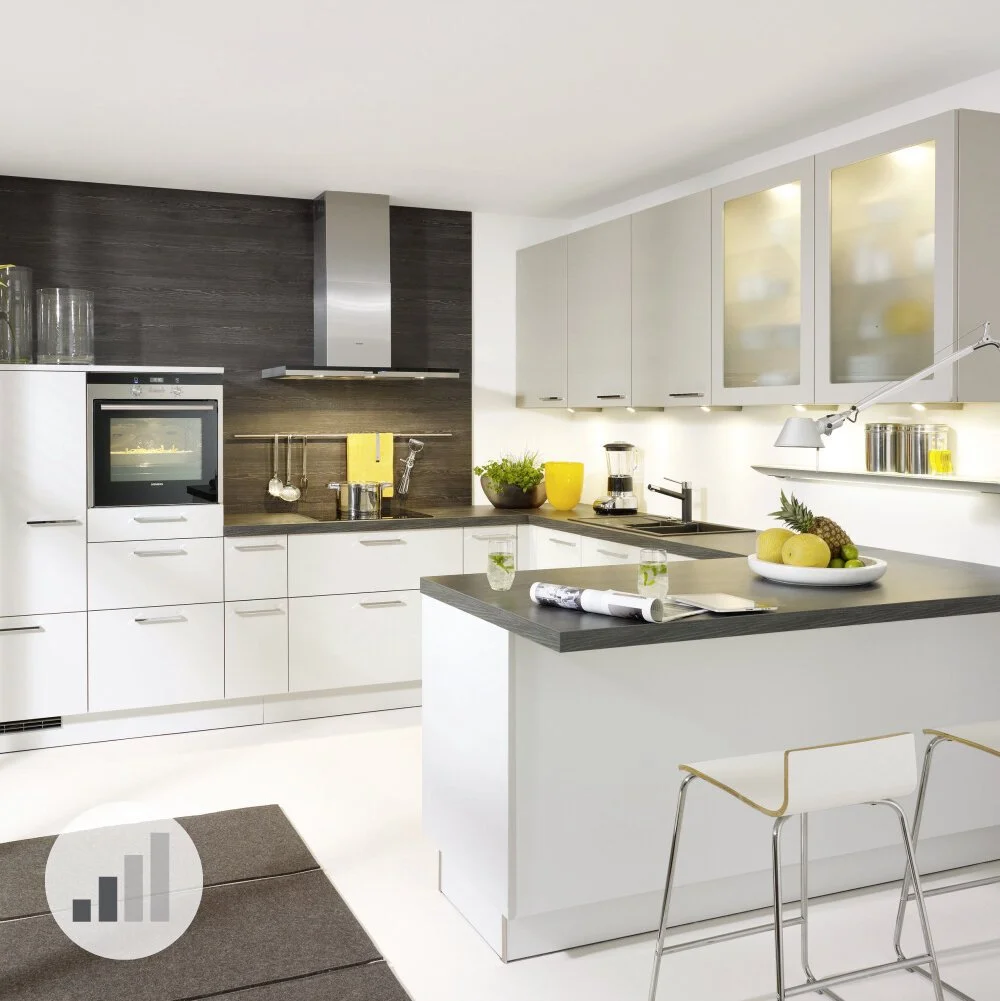
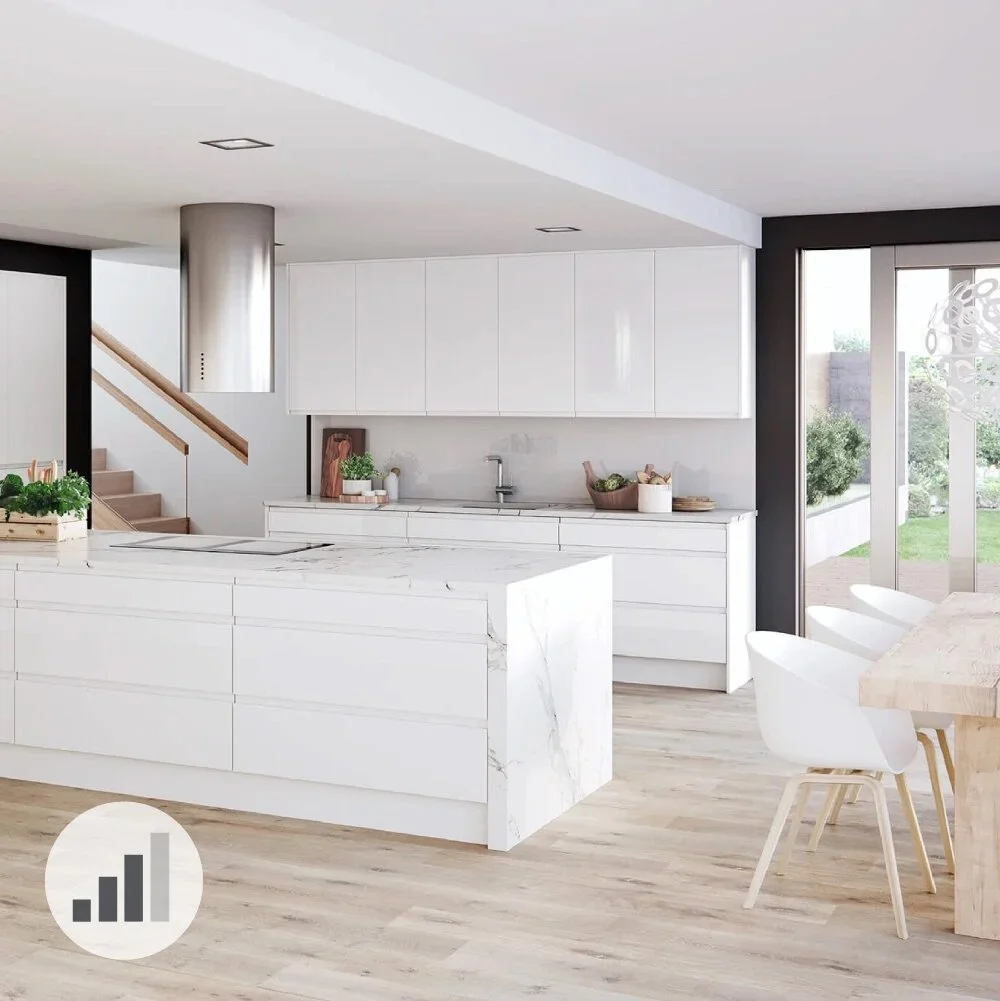
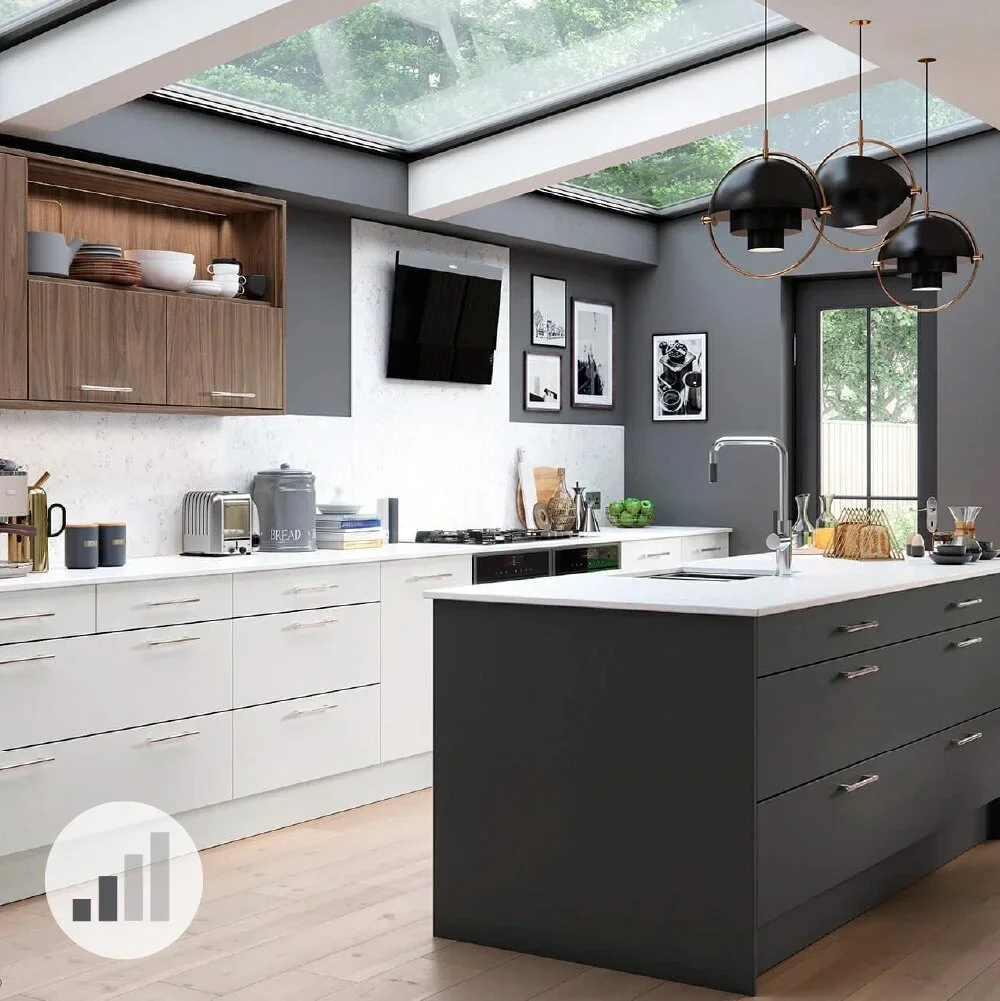
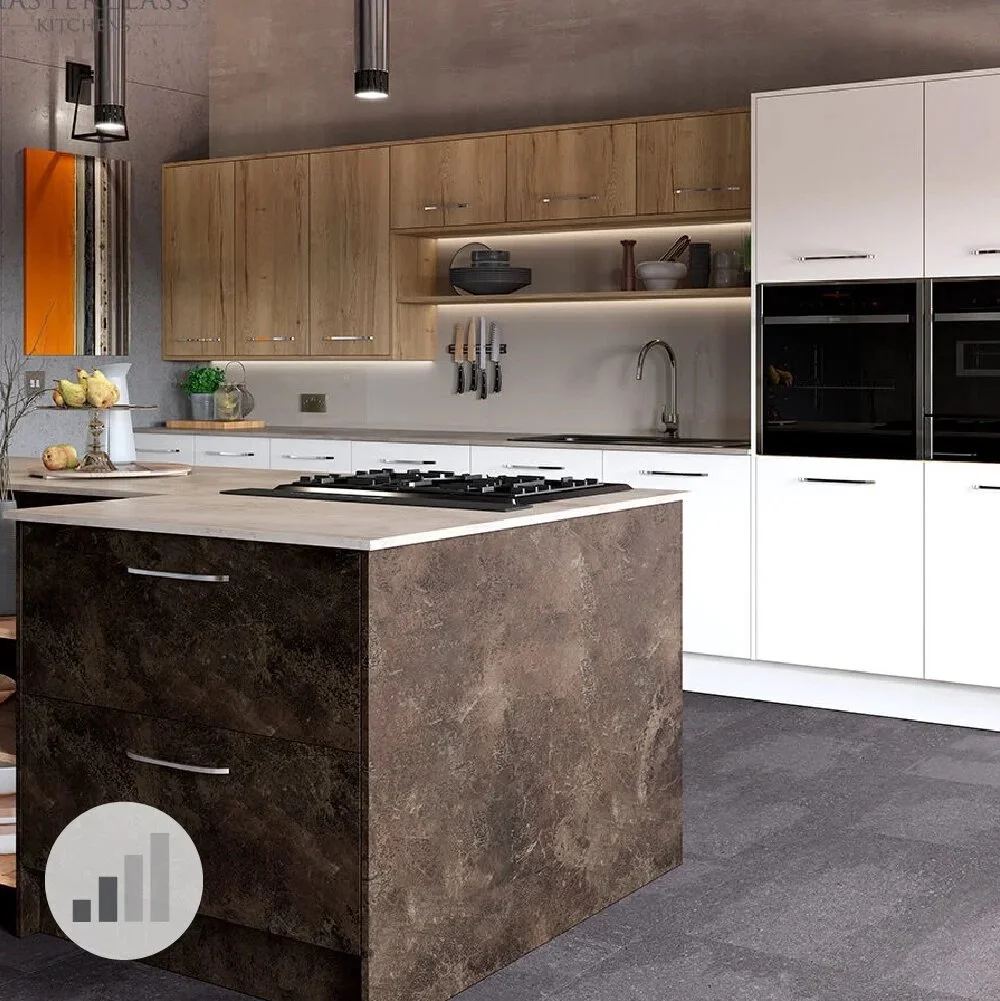
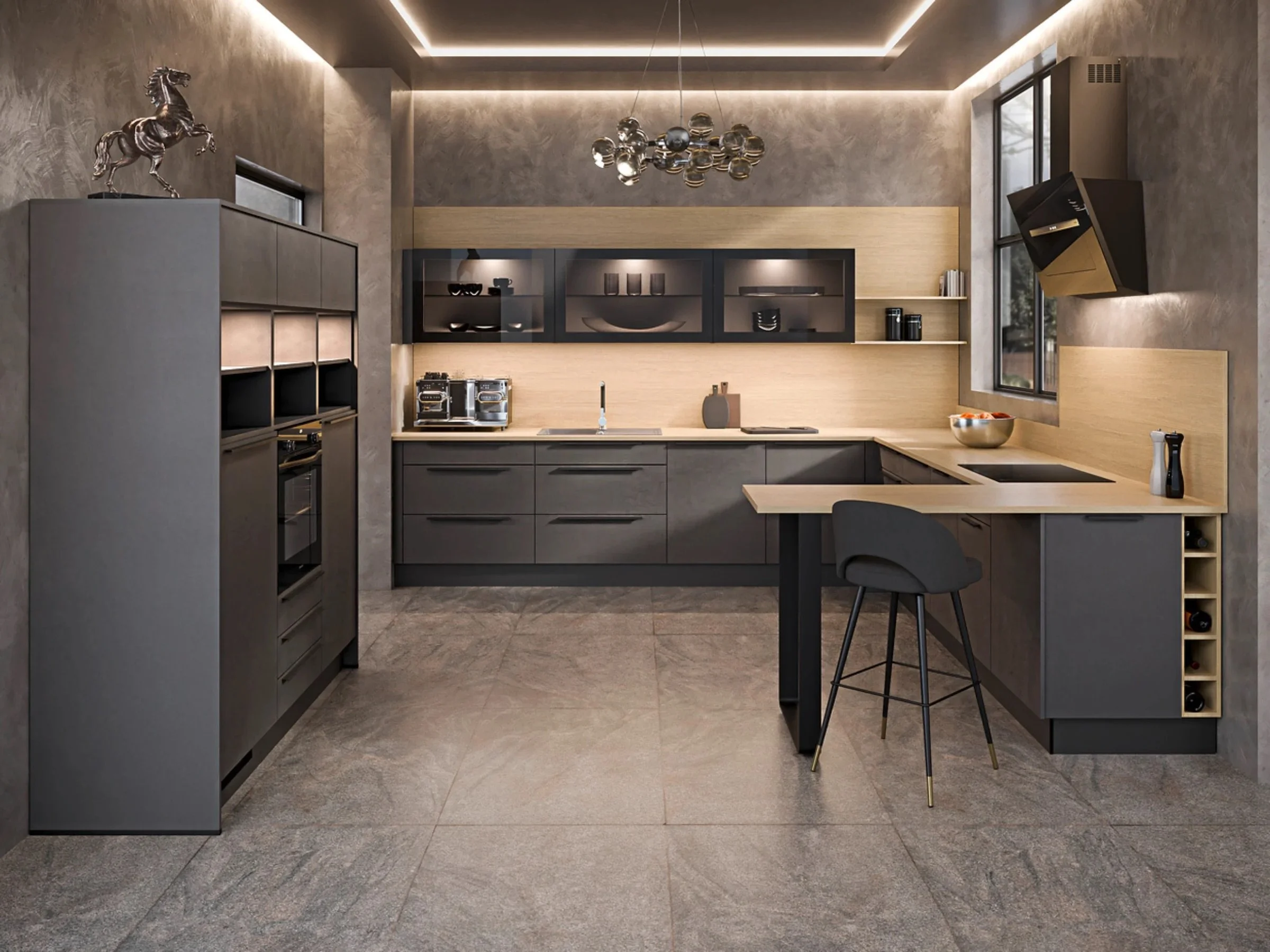
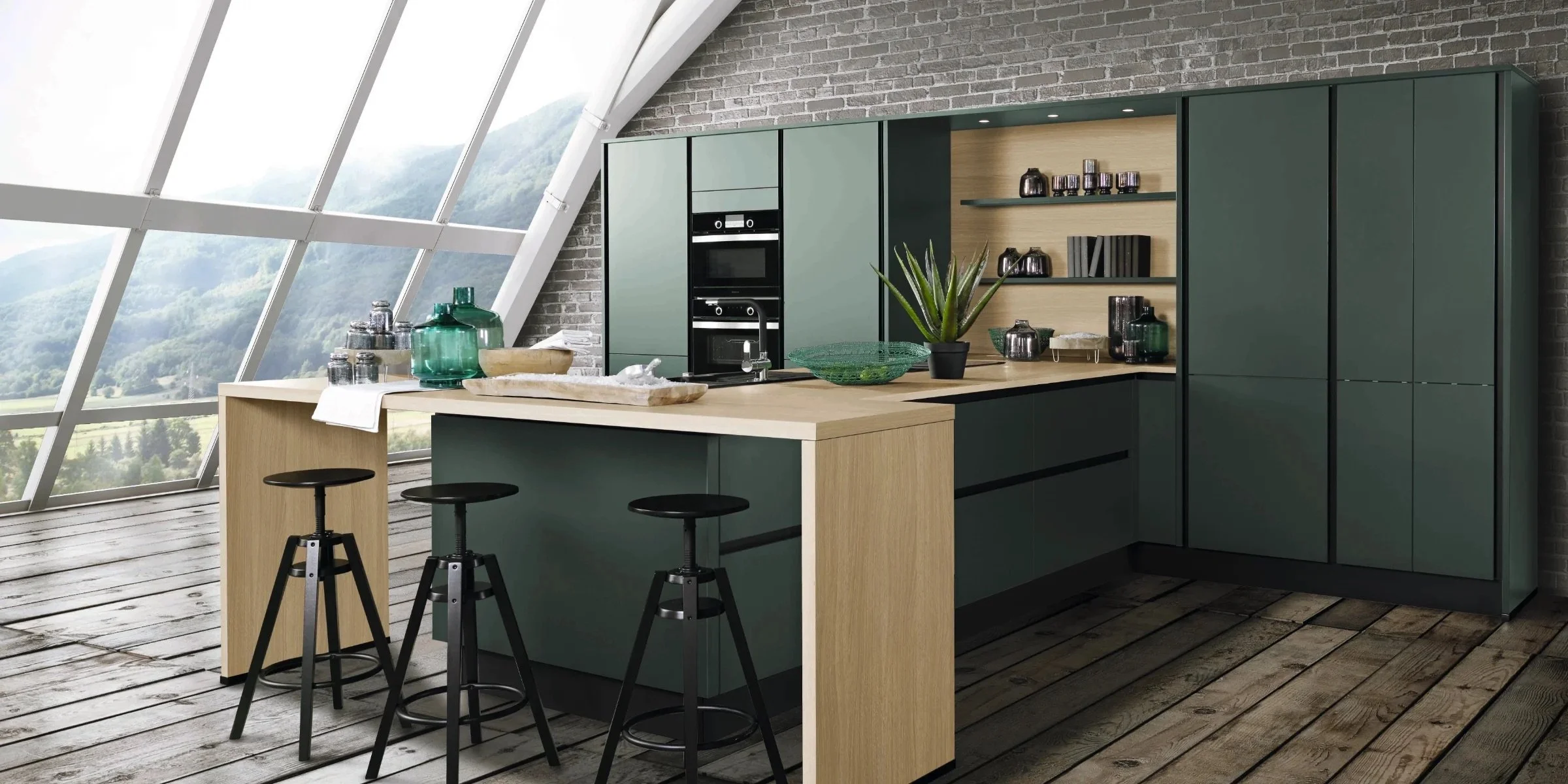
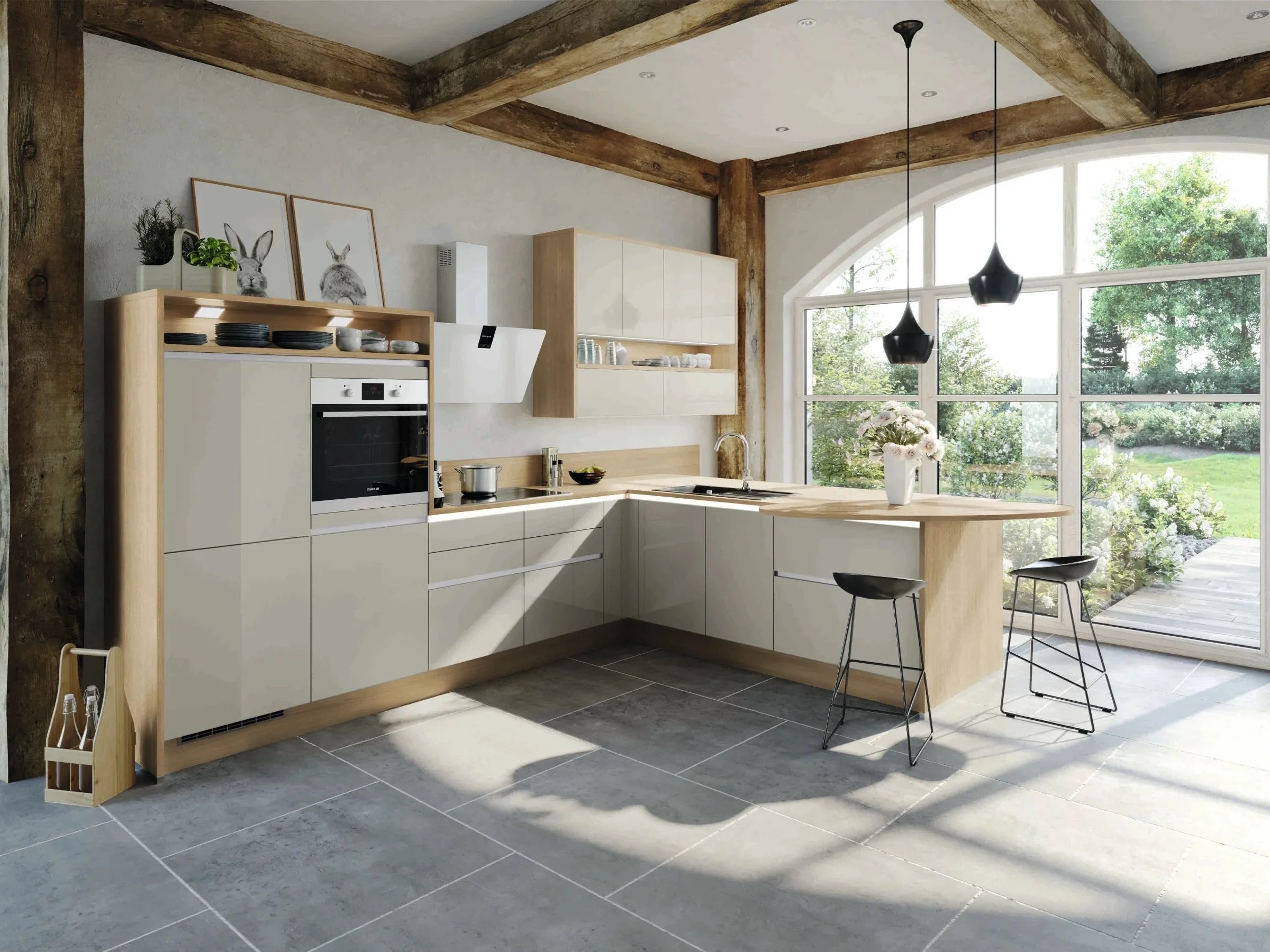
These kitchen ranges reflect the Nordic aesthetic, offering a different approach to light timber tones, clean profiles, and considered finishes. Whether you're drawn to a paler, more restrained scheme or one with more texture and warmth, each range offers a quiet, well-resolved interpretation of the style.
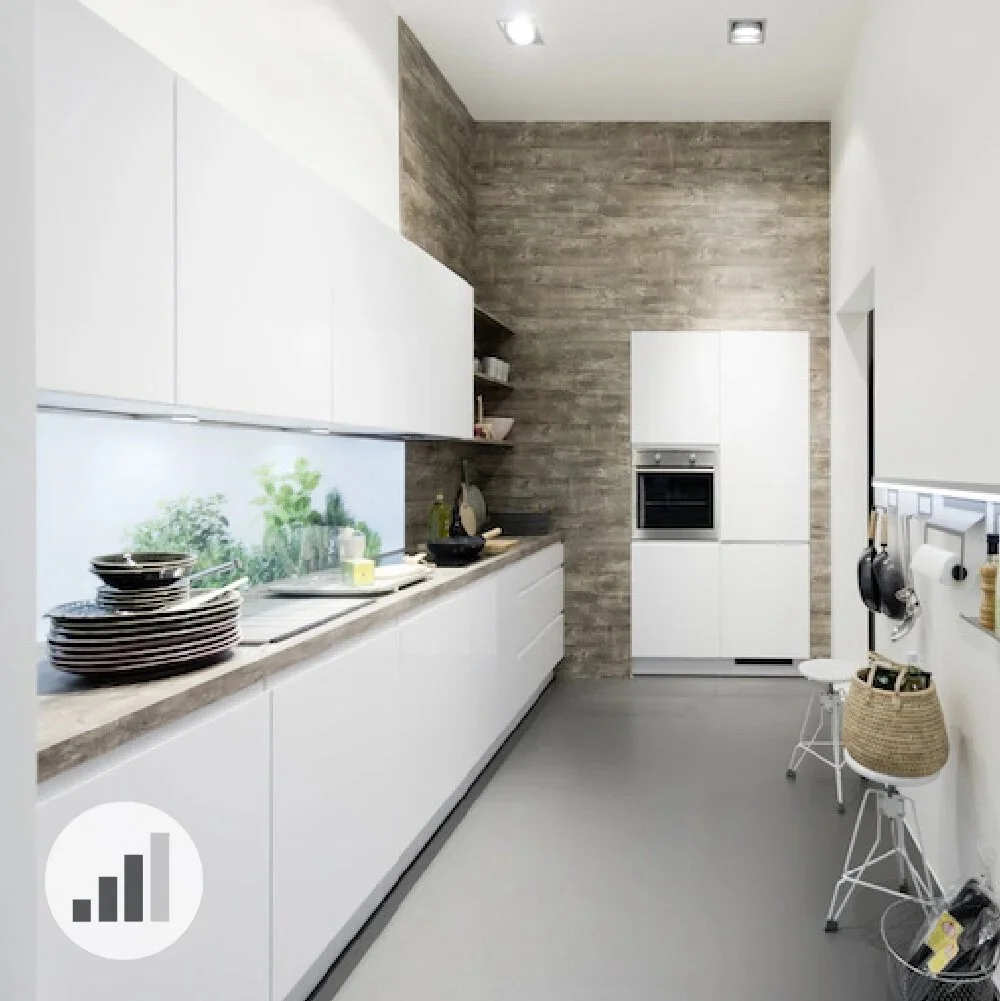
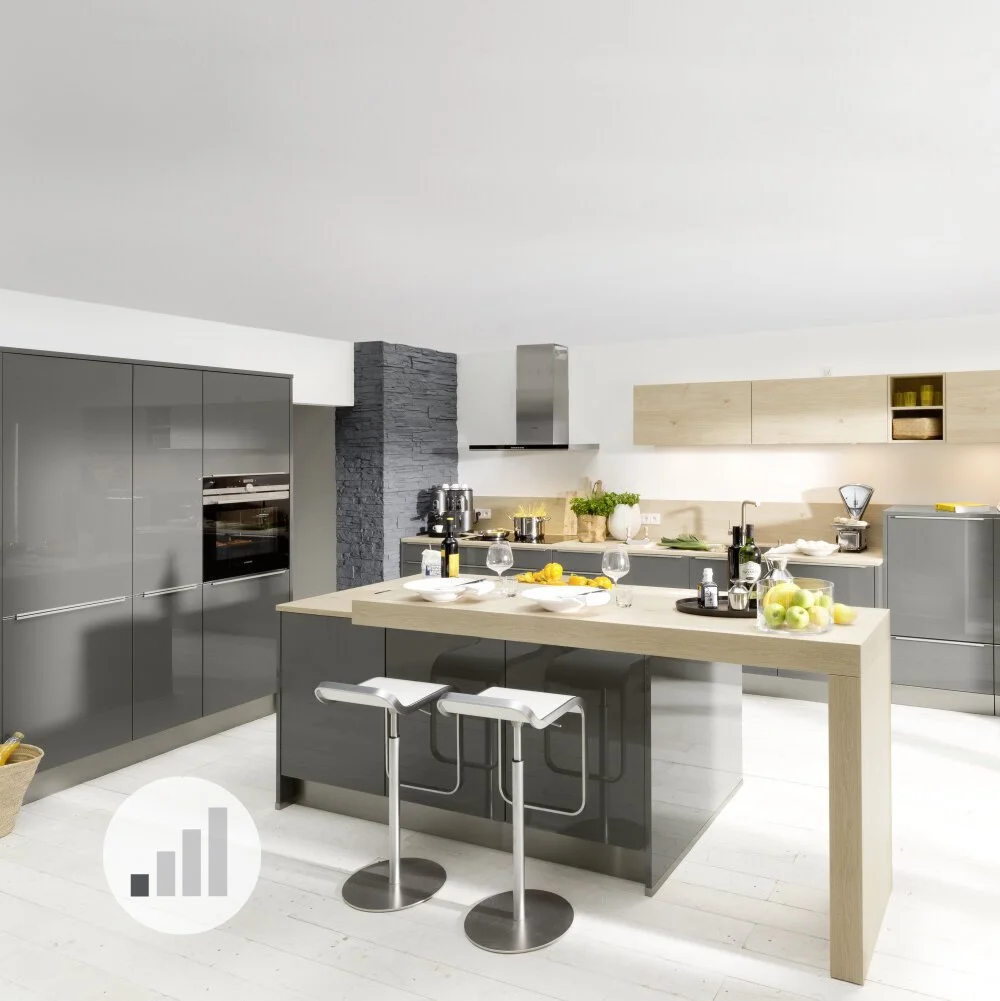
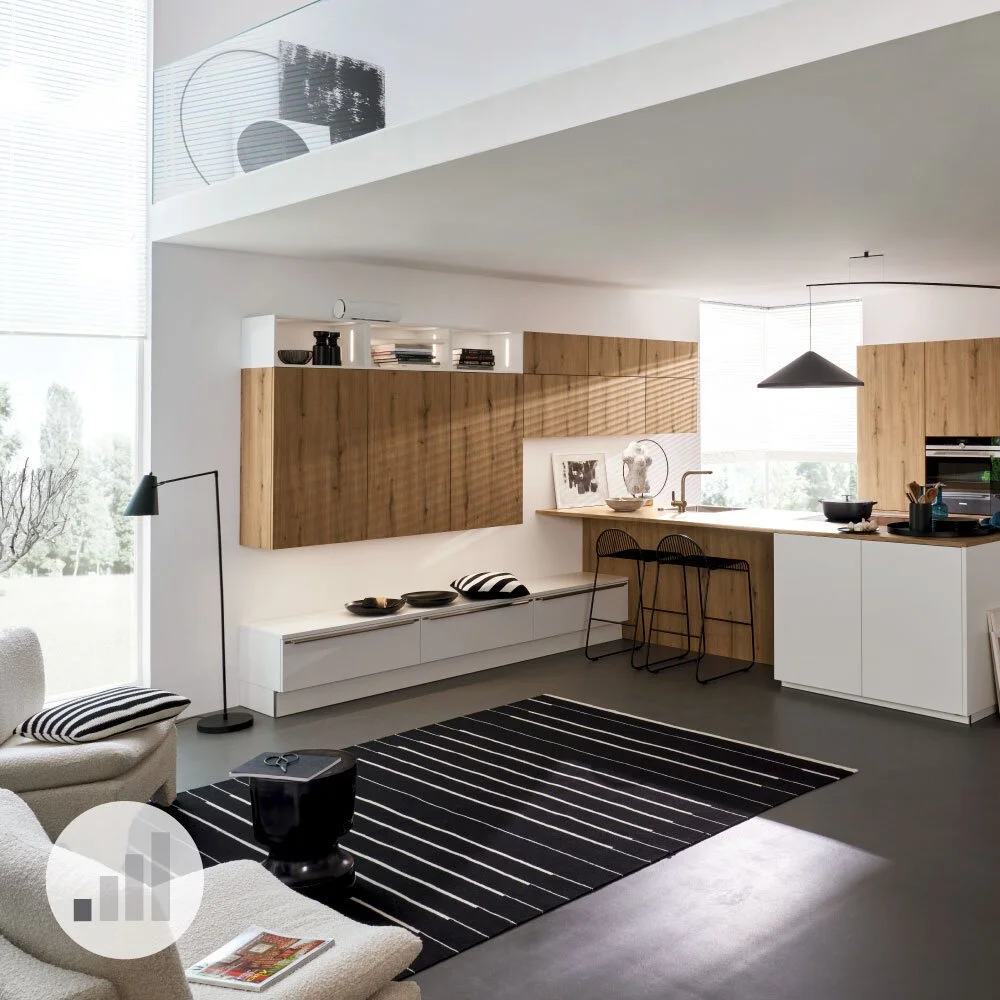
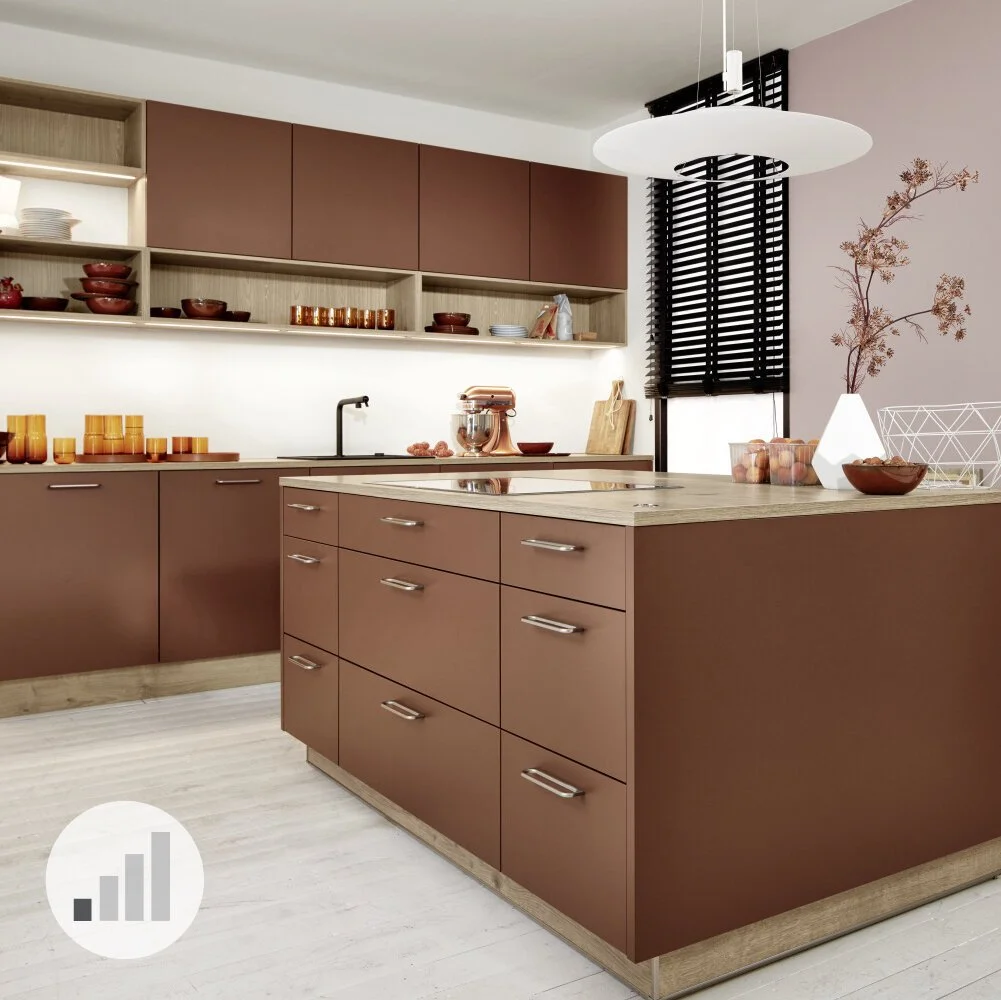
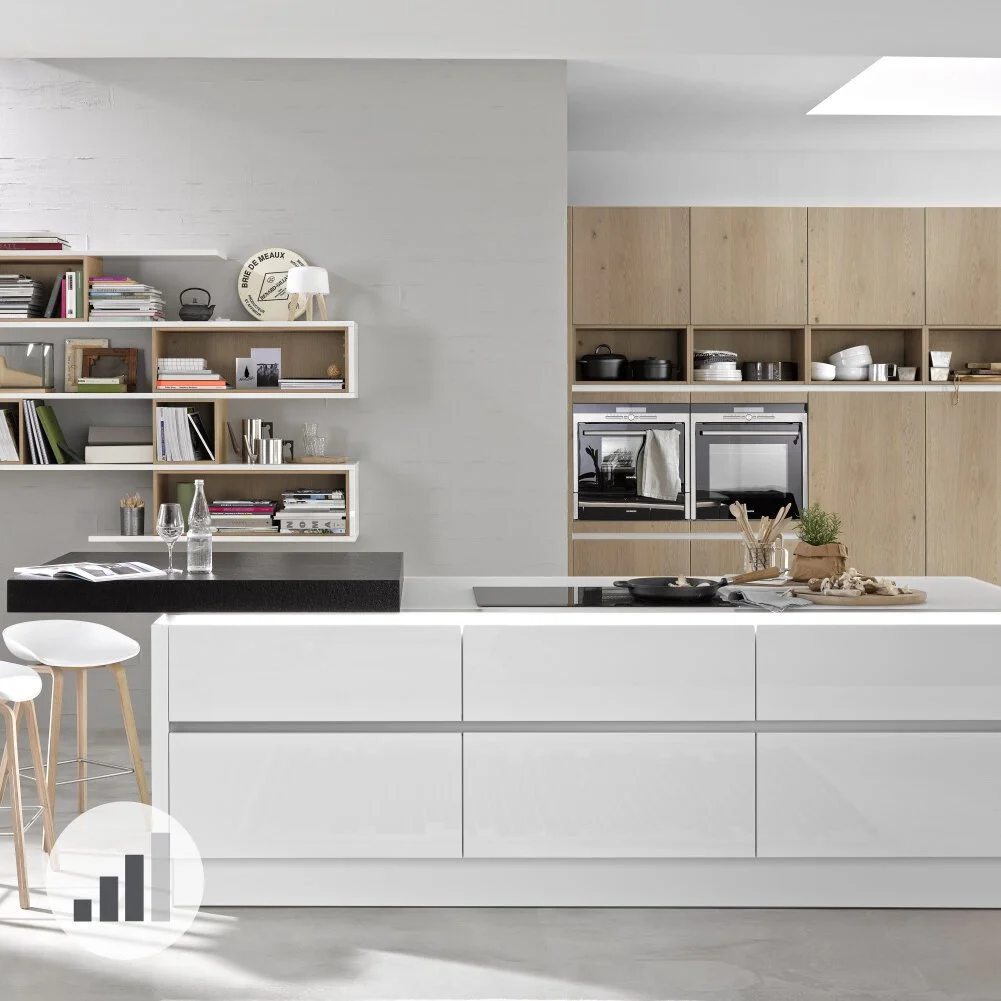
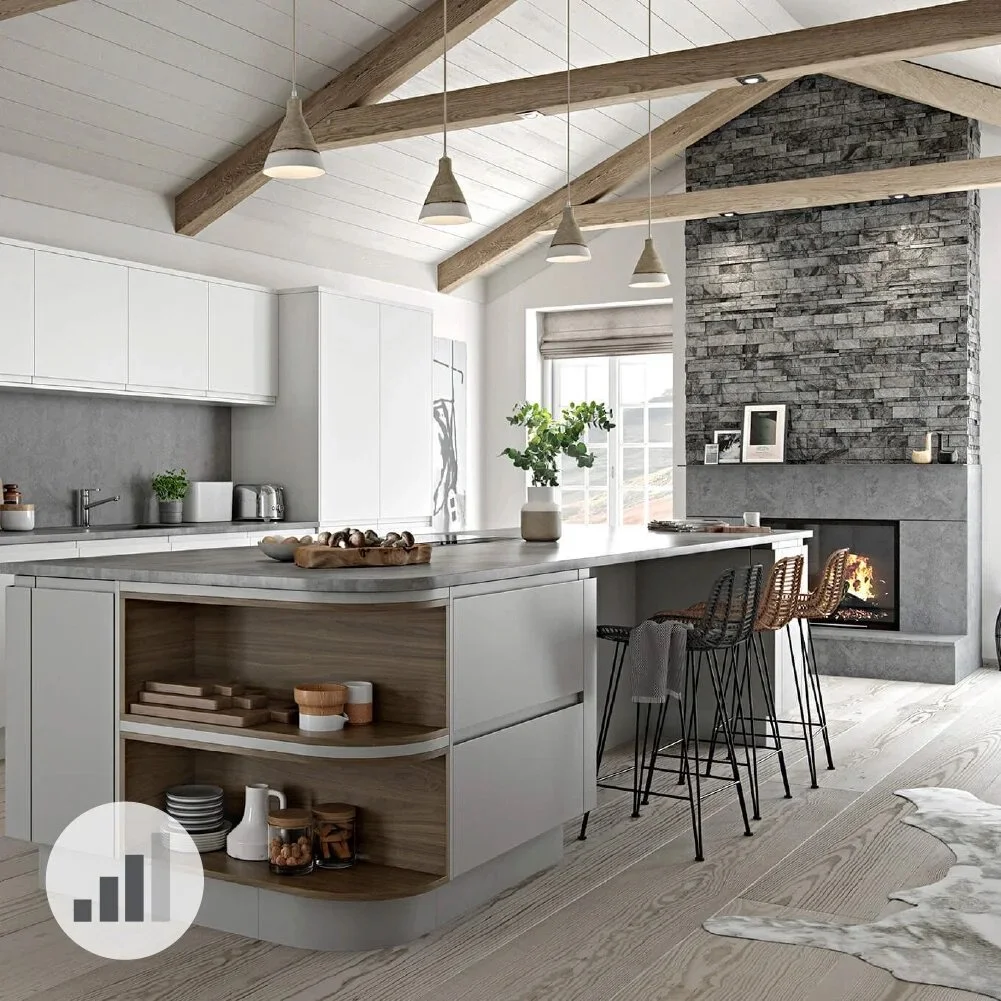
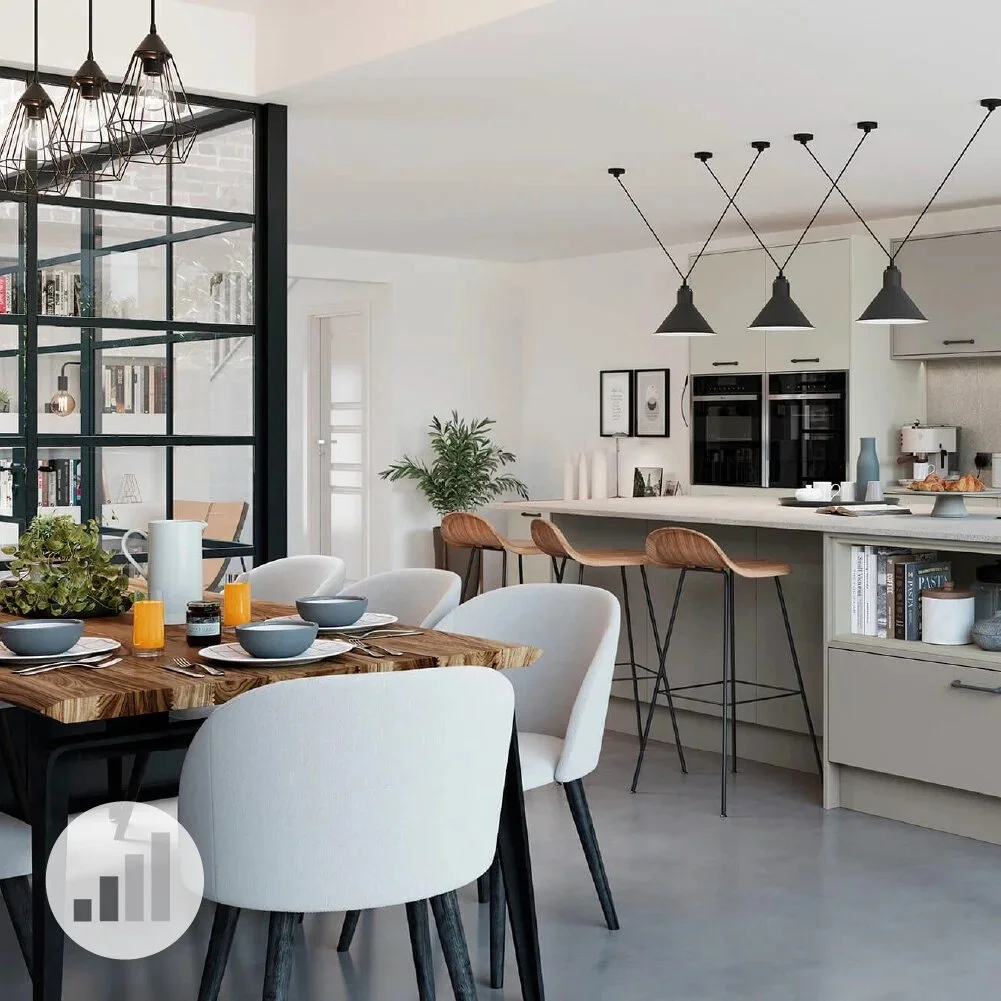
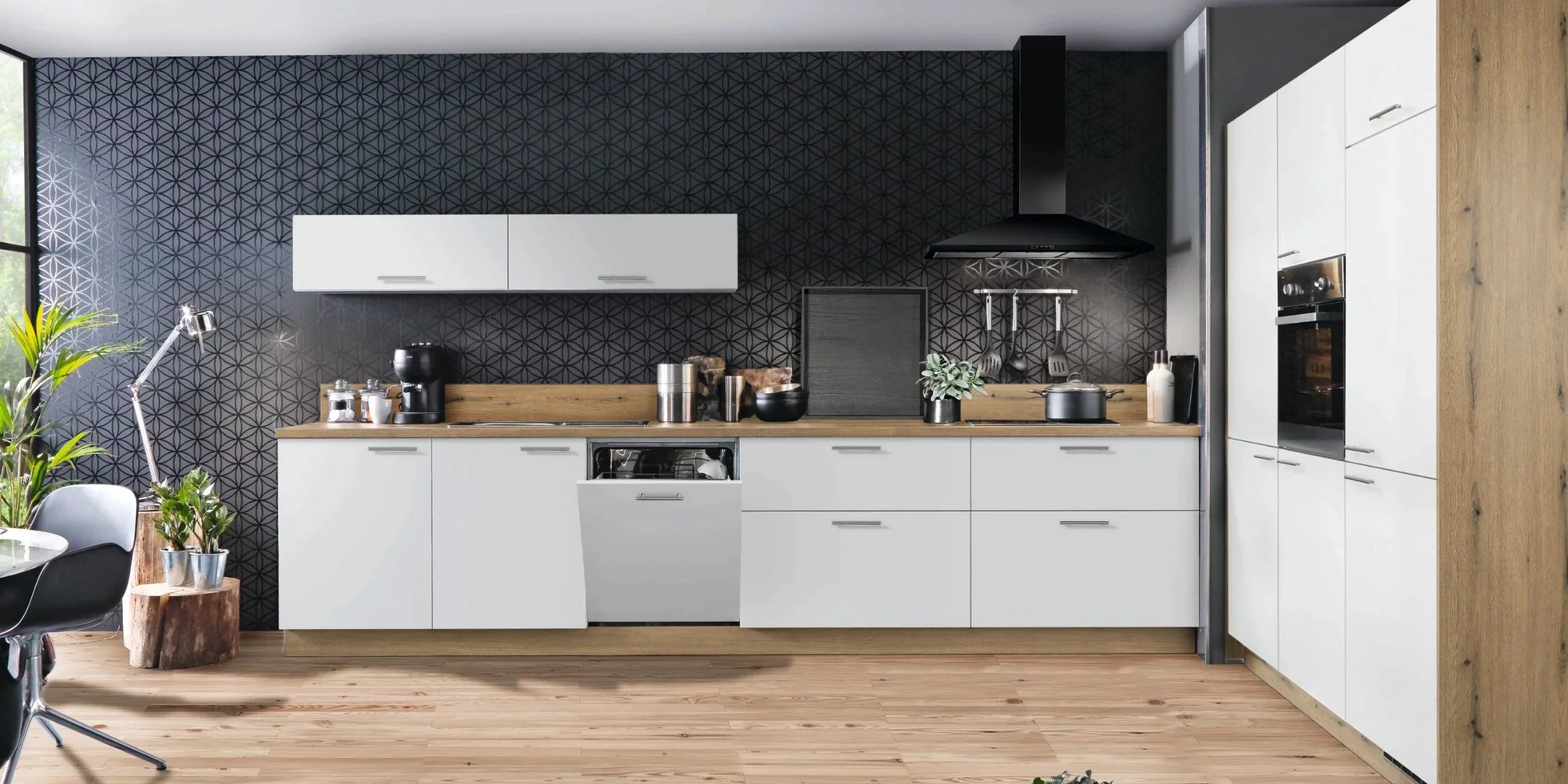
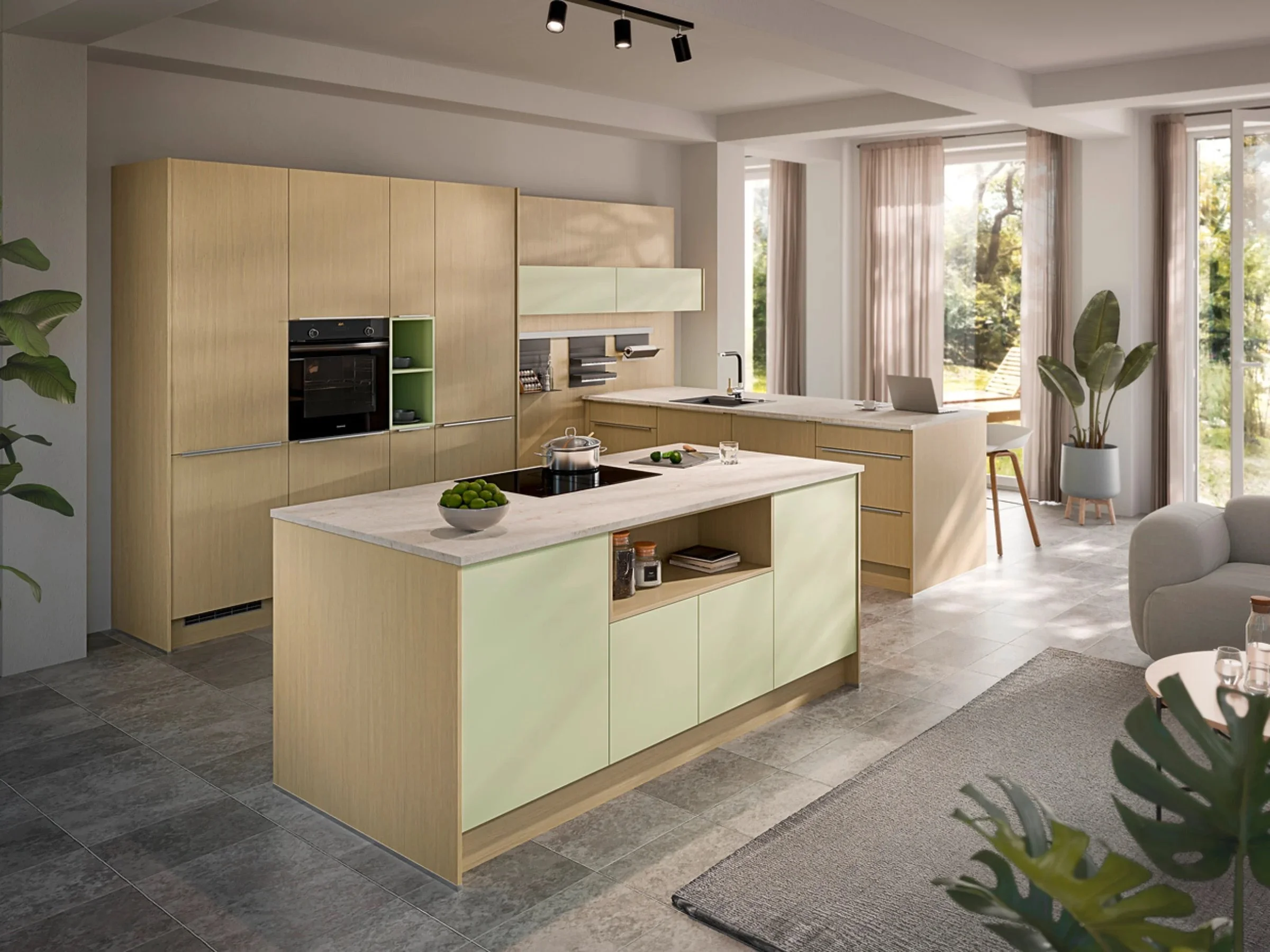
Our real Nordic kitchens
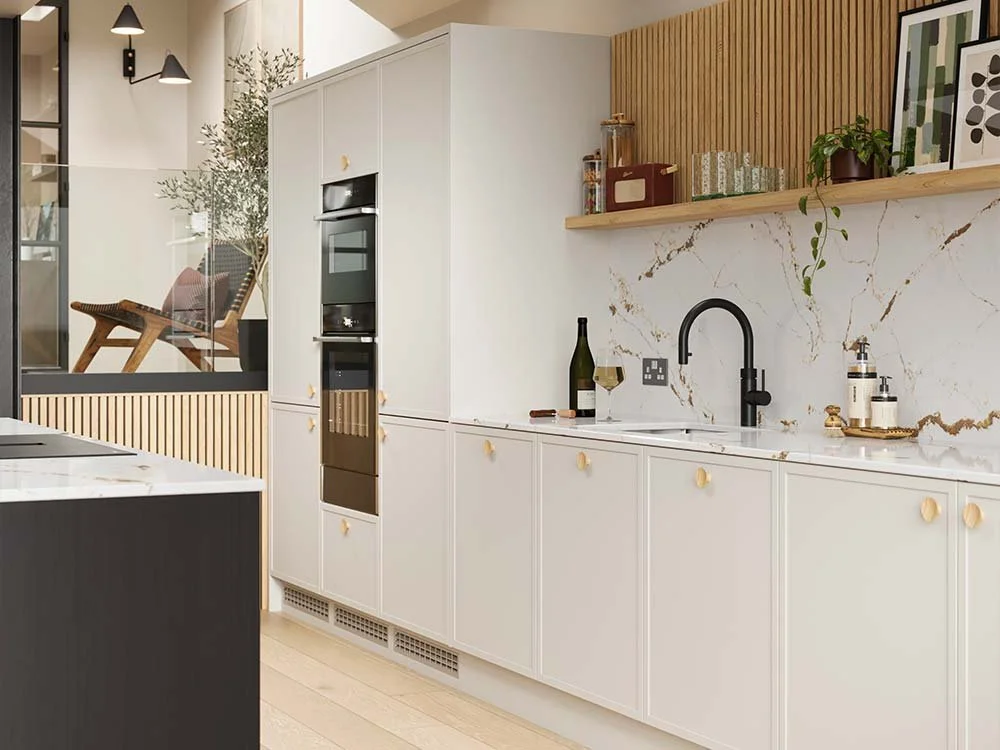
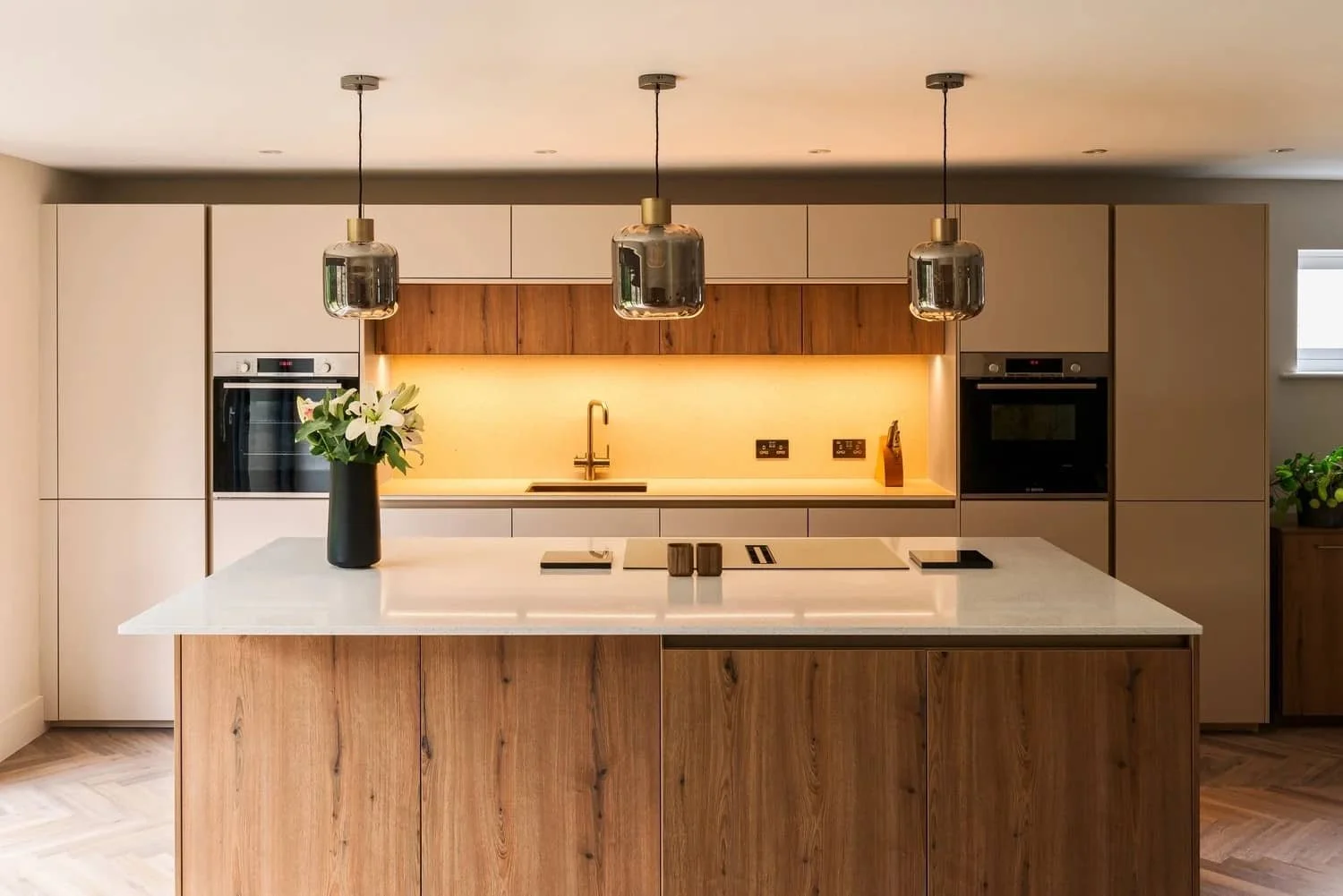
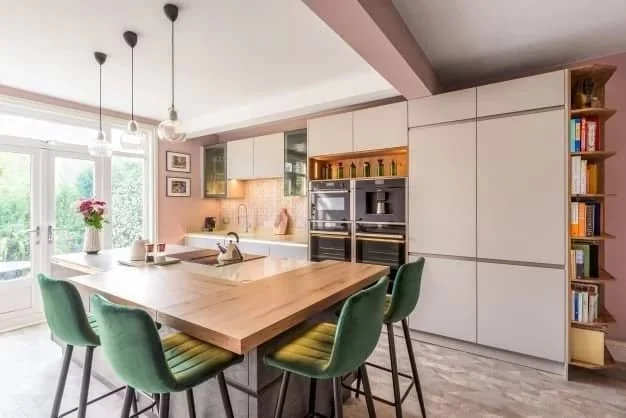
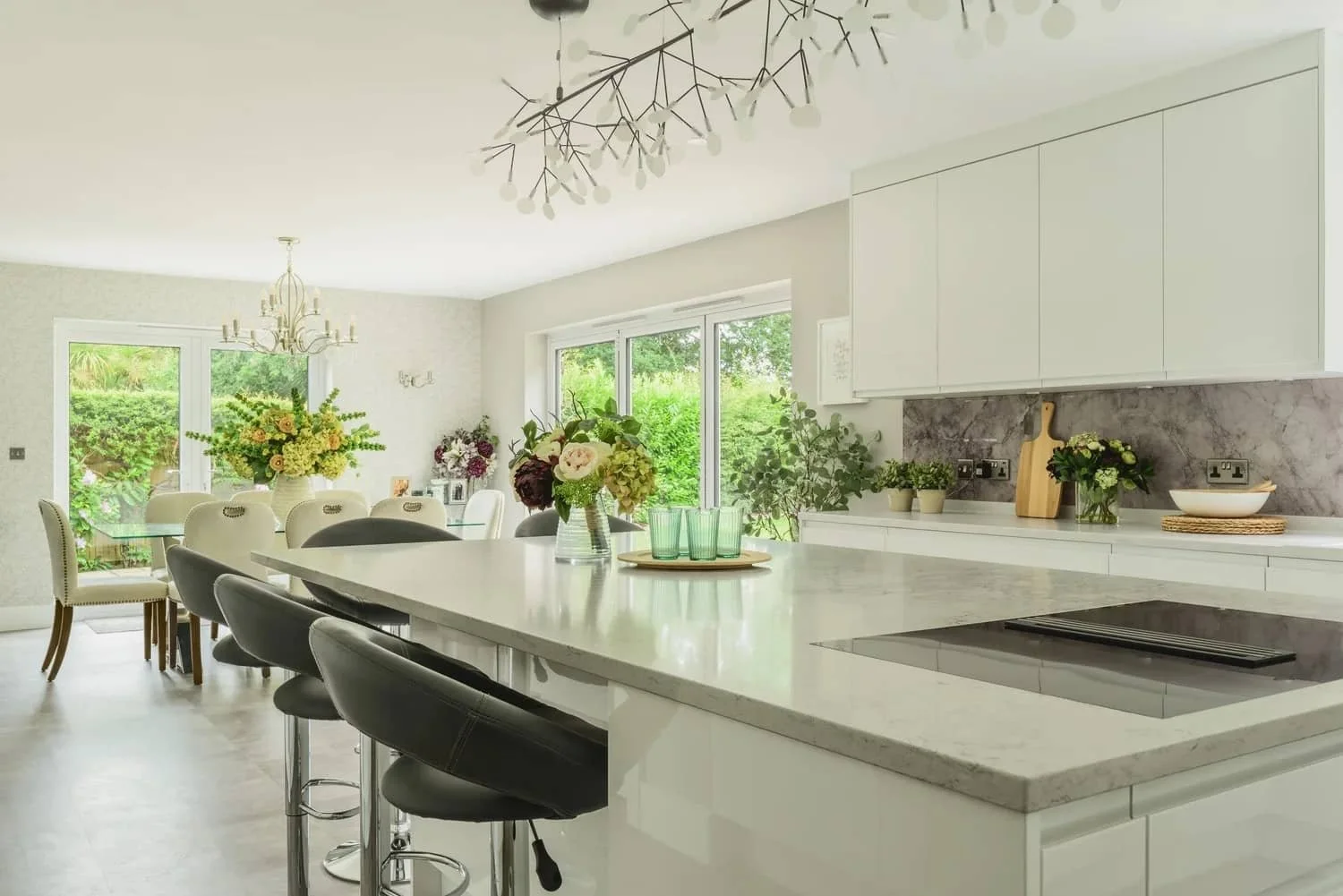
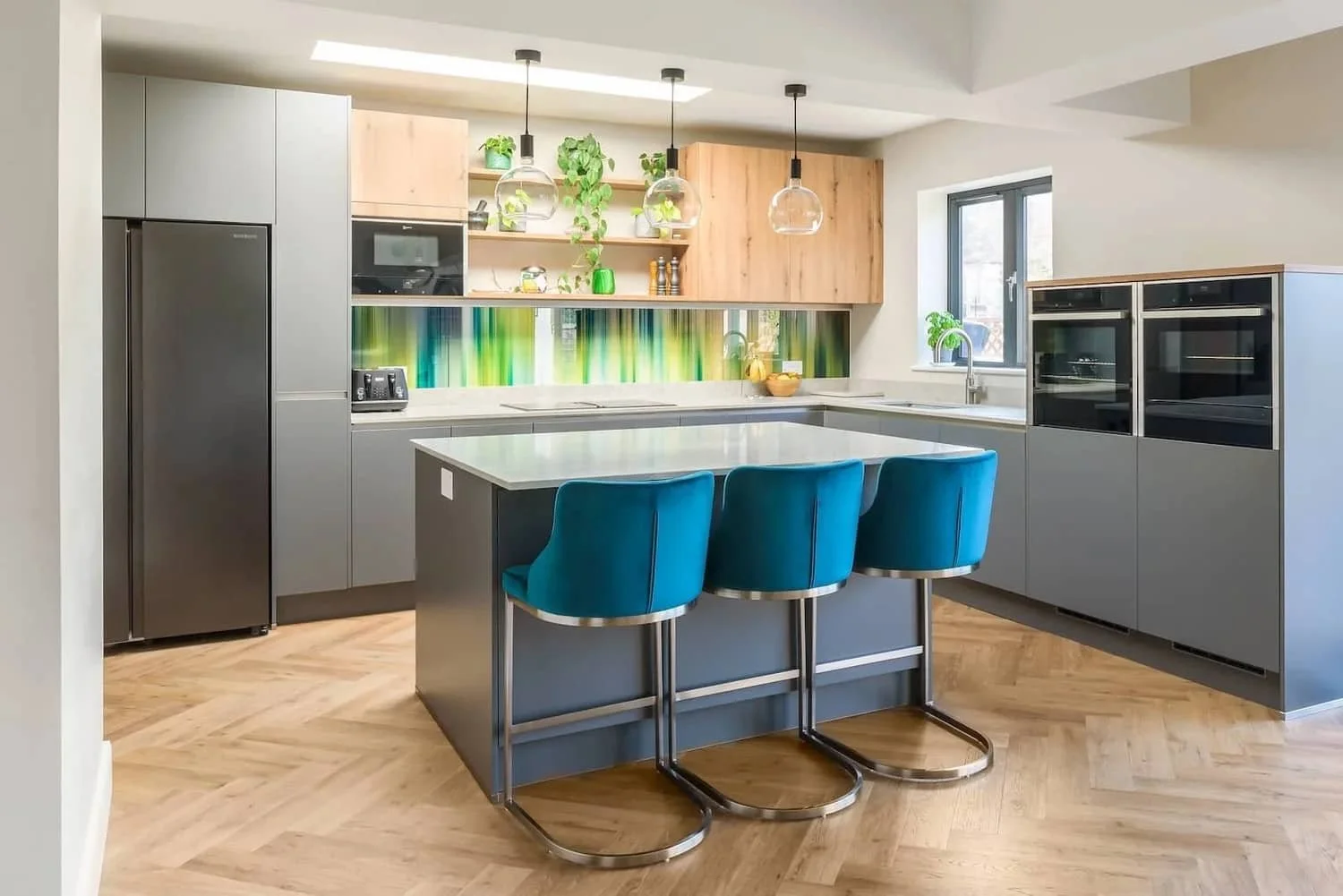
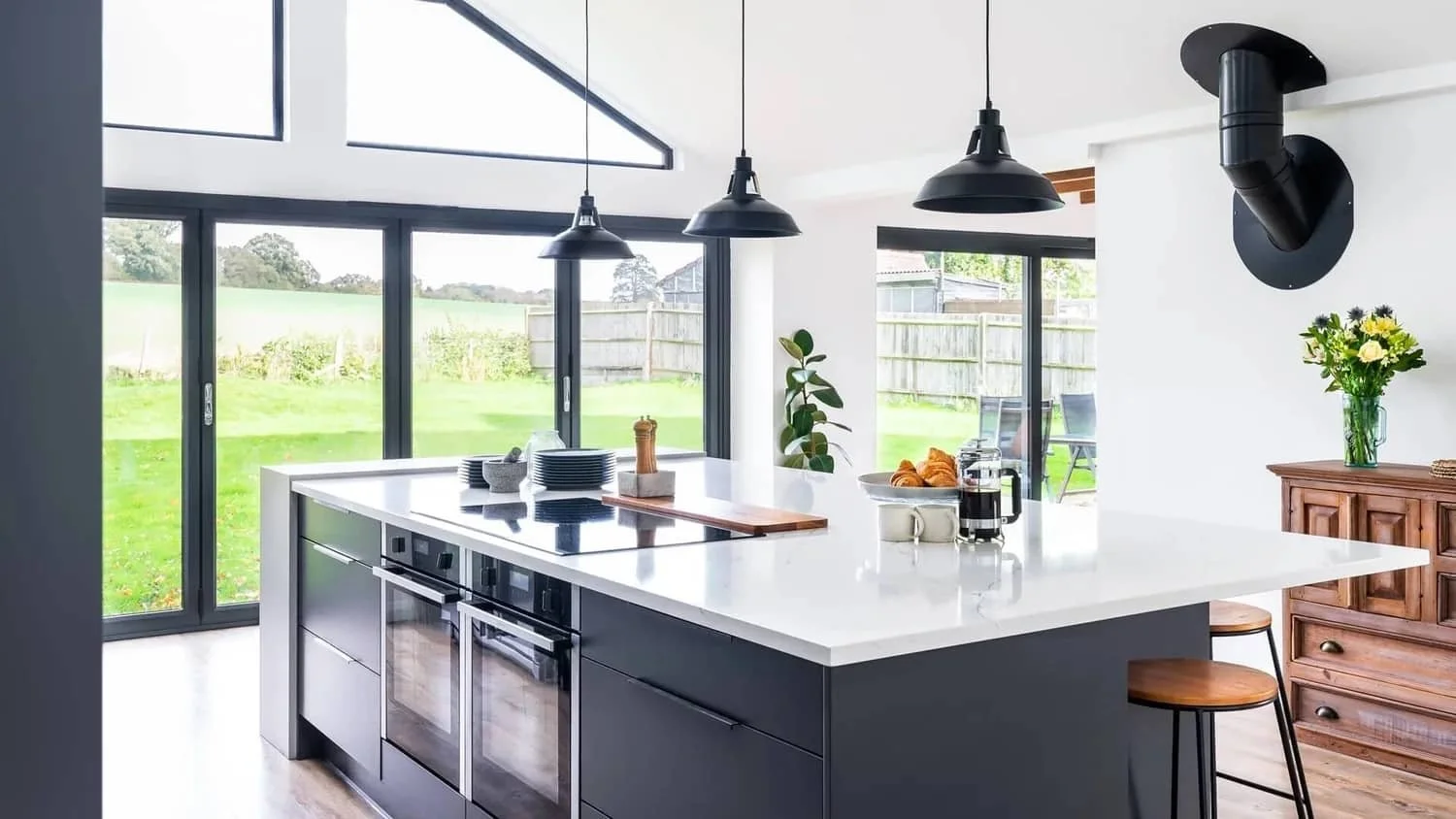
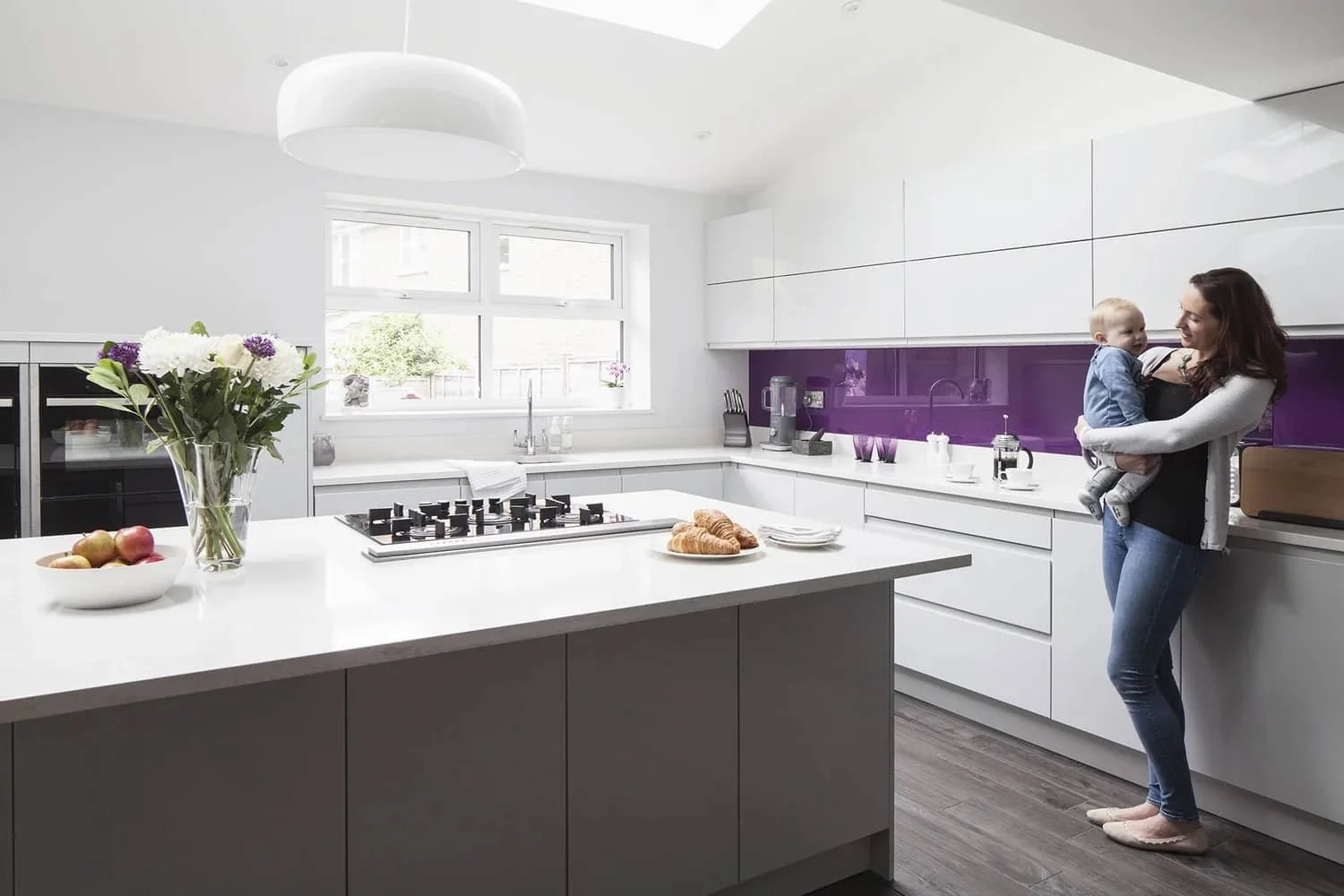
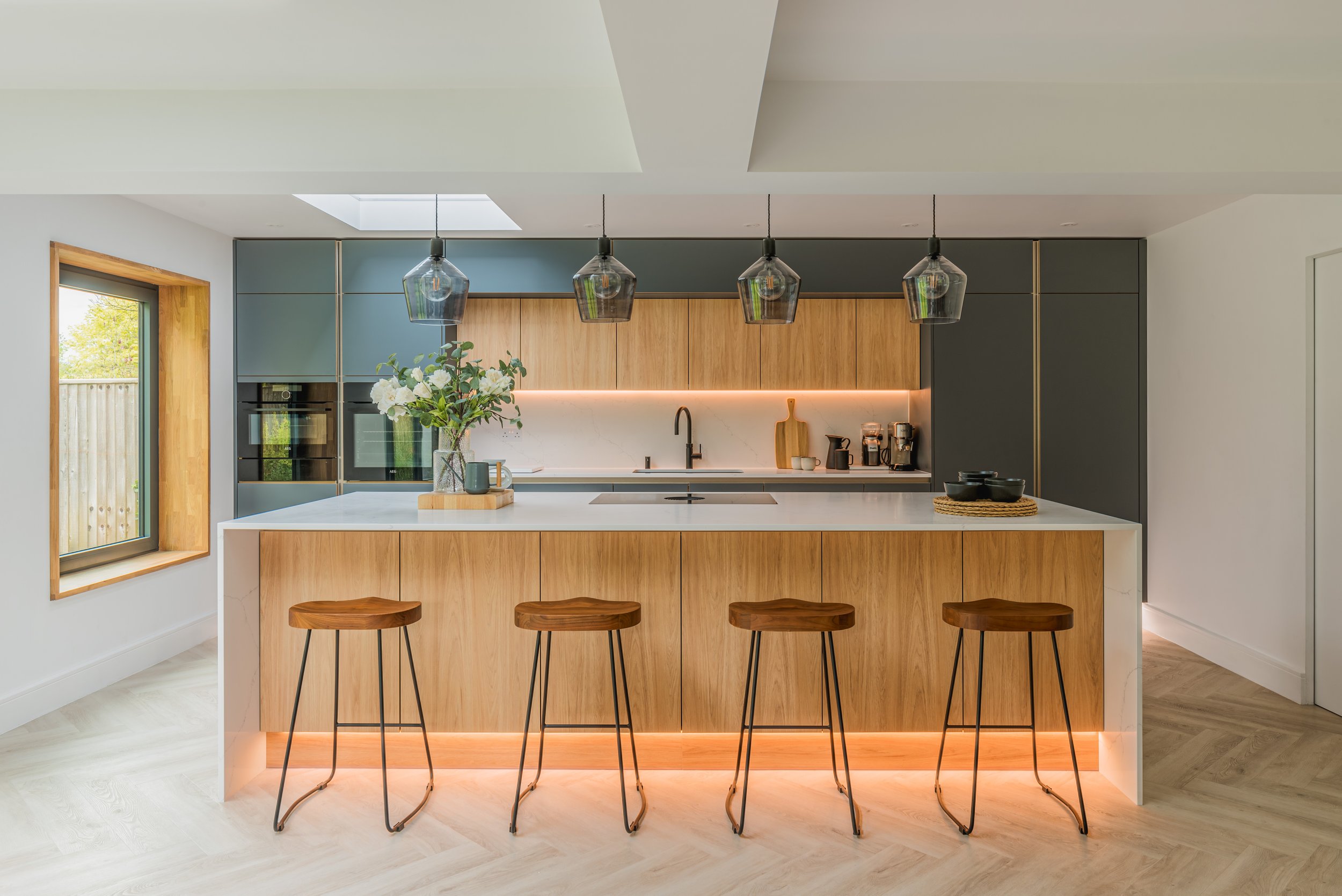
See how Nordic kitchens come to life in real homes across Sussex and the South. Each project demonstrates how restraint, natural materials, and good light can create a kitchen that is genuinely calm and pleasurable to spend time in.



Frequently asked questions about
Nordic kitchens
-
Both share a love of simplicity, natural materials, and calm spaces. Nordic is the cooler, lighter of the two, the palette is paler, the timber tones tend to be lighter, and the overall mood is airier. Japandi incorporates the Japanese philosophy of wabi-sabi (finding beauty in imperfection) and typically uses deeper, more earthy tones, warmer charcoal, smoked timber, richer natural stone. If you're drawn to both, it's worth exploring which emotional quality resonates more: light and airy, or warm and grounded.
-
Simple and discreet. Leather loop pulls, simple timber knobs, brushed metal in minimal profiles, or handleless designs with a J-pull or rail system all work well. Matte black hardware provides a quiet, definitive accent against pale cabinetry without adding visual fuss. The Nordic aesthetic avoids anything ornate or overly decorative.
-
Lighting matters a great deal in Nordic design, it was developed in response to long, dark winters, and the careful use of light is central to the mood. Pendant lights over an island in natural materials (linen, rattan, washi paper, or brass), under-cabinet task lighting, and soft ambient lighting rather than purely functional overhead lighting all help create the right quality of warmth.
-
Very well. The restraint of the palette and the use of open shelving rather than heavy wall cabinetry create a sense of space that suits smaller rooms particularly well. Light colours on cabinetry and worktops, natural light maximised through simple window treatments, and clutter kept strictly to a minimum all help.
-
Simple, well-chosen plants rather than a general scattering of greenery. A single potted herb on the windowsill, a trailing plant on an open shelf, or a simple architectural specimen in a handmade ceramic pot all work well. The Nordic aesthetic treats plants as a considered element, not a styling accessory.
-
We start with a conversation, about your home, how you use your kitchen, what you're drawn to and why. From there, we visit your home to take measurements, develop a layout, and present a design that we refine together. You'll always know where you are in the process and what comes next.