Simplicity, warmth, and the beauty of what's essential
Japandi Kitchens
Japandi brings together two complementary design philosophies, Scandinavian functionality and Japanese minimalism, into a style that is more than the sum of its parts. The result is a kitchen that is intentional in every detail, restful to spend time in, and deeply considered in its approach to material, colour, and space.
What is a Japandi kitchen?
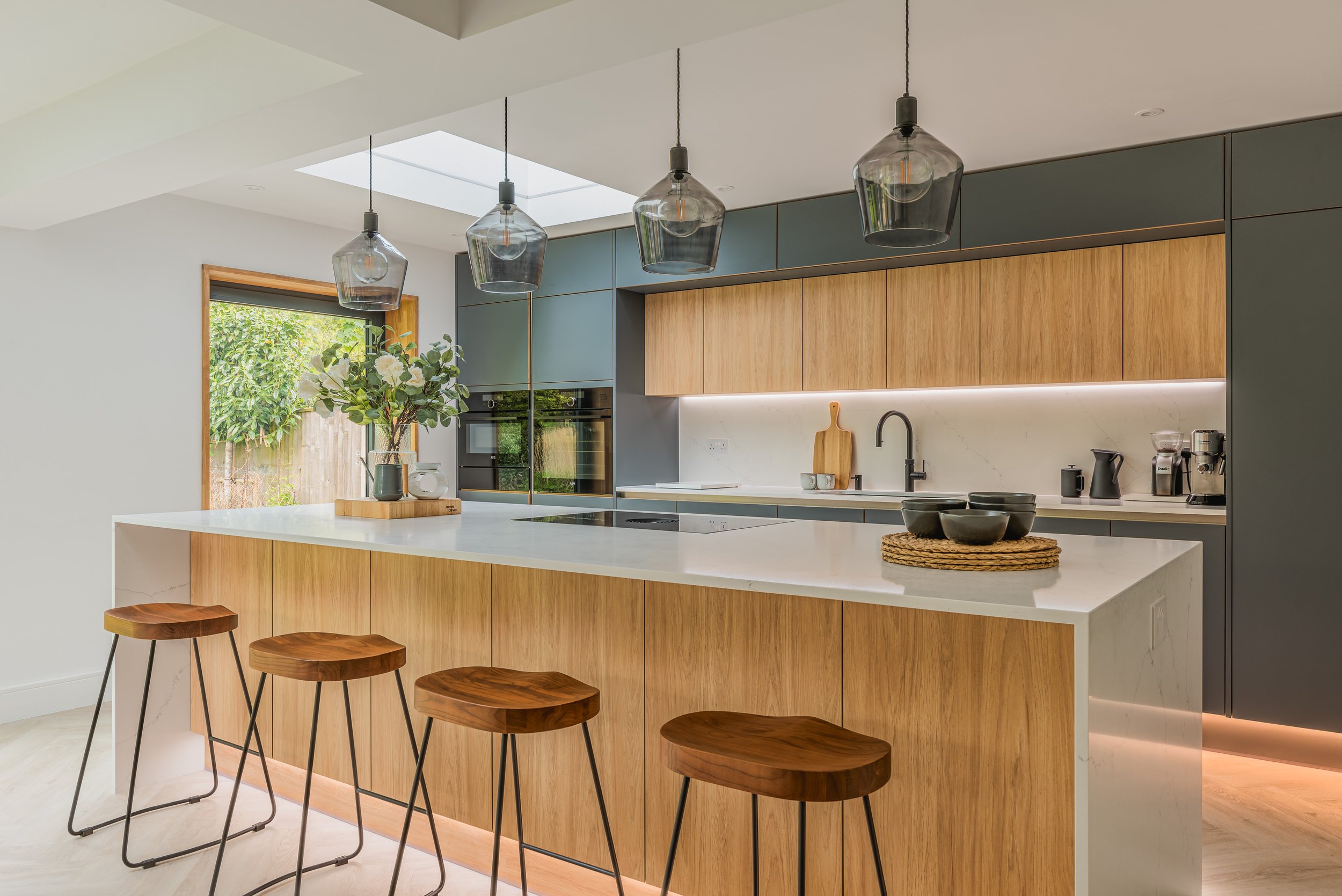
Japandi blends Japanese and Scandinavian design, combining the warmth and simplicity of Nordic interiors with the calm restraint of Japanese craftsmanship. Both styles value natural materials, functionality and thoughtful design, but Japandi tends to feel more grounded, using deeper timber tones, earthy colours and a quieter overall aesthetic.
In a Japandi kitchen, every element has purpose. Clean lines, natural textures and carefully chosen materials work together to create a space that feels calm, balanced and genuinely restful to spend time in.
Key features of a Japandi kitchen
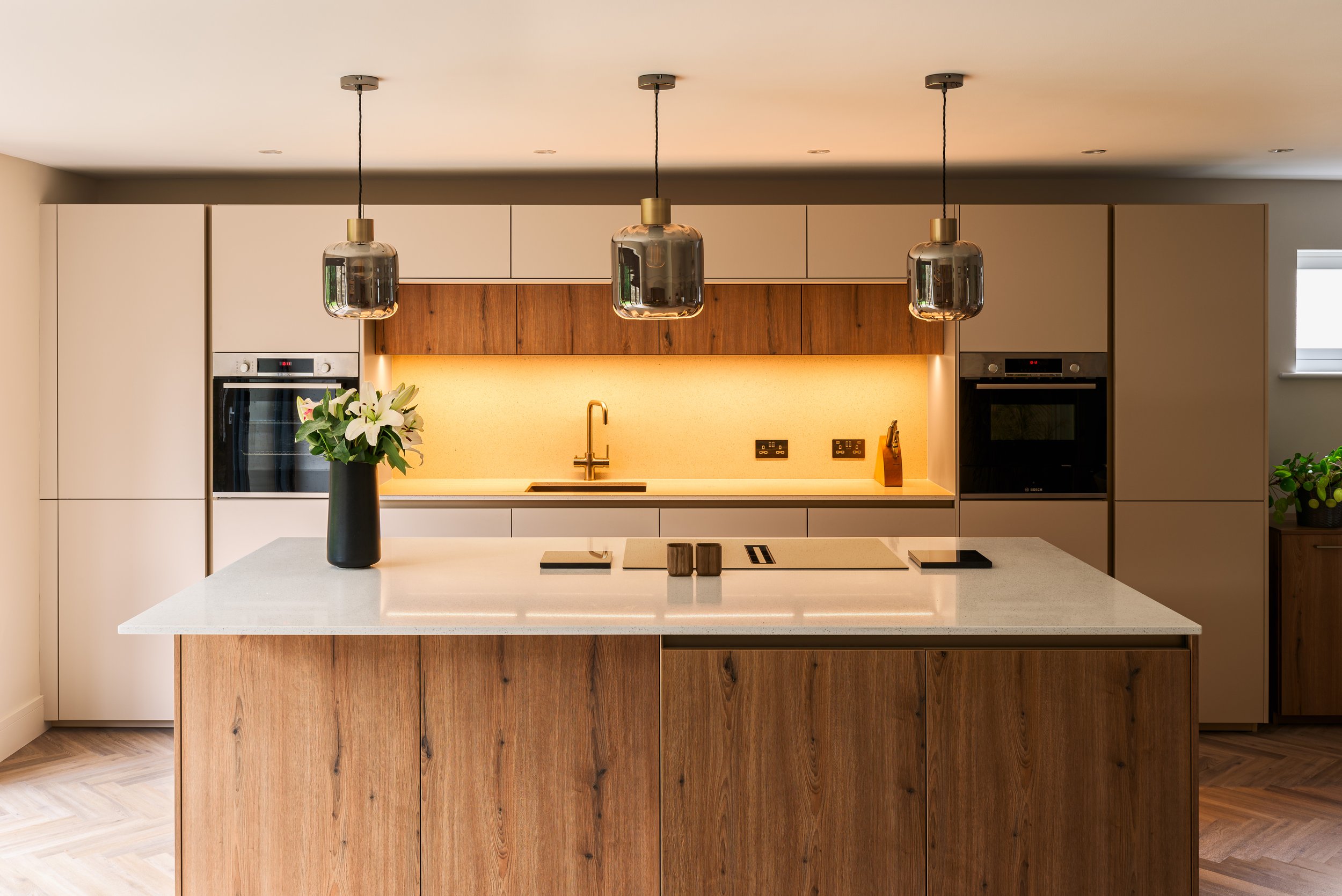
Handleless Cabinetry
Clean fronts with no visible hardware, the surface itself is the design, and the absence of handles reinforces the intentional calm of the style.
Natural Materials Throughout
Timber, stone, ceramic, and linen, materials that are tactile, honest, and connected to the natural world.
Earthy, Warm Neutrals
Sandy beige, warm linen, soft clay, charcoal, and smoked timber, a palette deeper and warmer than a purely Nordic scheme.
Matte Surfaces Everywhere
Nothing reflective or high-gloss; every finish is soft, tactile, and understated, reinforcing the philosophy that beauty lies in what is honest, not what is polished.
Intentional Detail
A single handmade ceramic, a carefully positioned plant, a washi paper pendant light, accessories chosen with the same care as the cabinetry itself.
Explore Japandi kitchen ranges
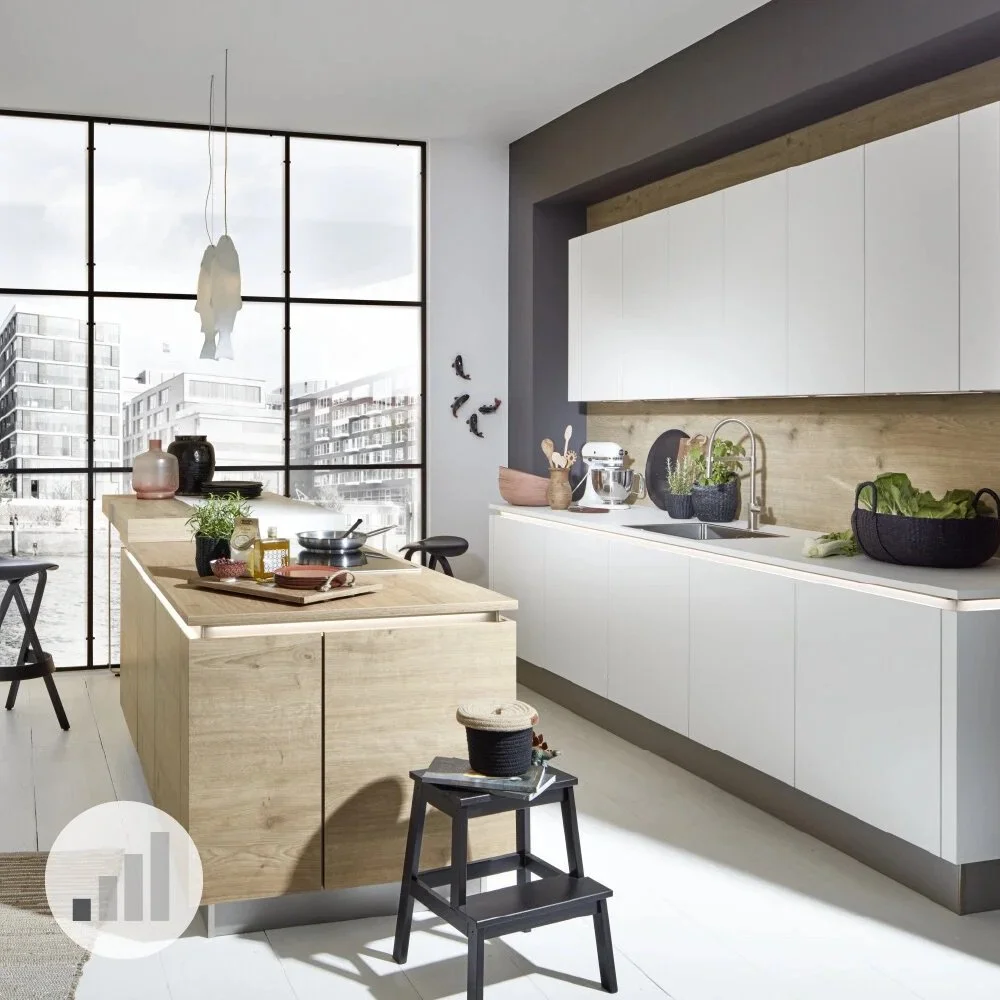
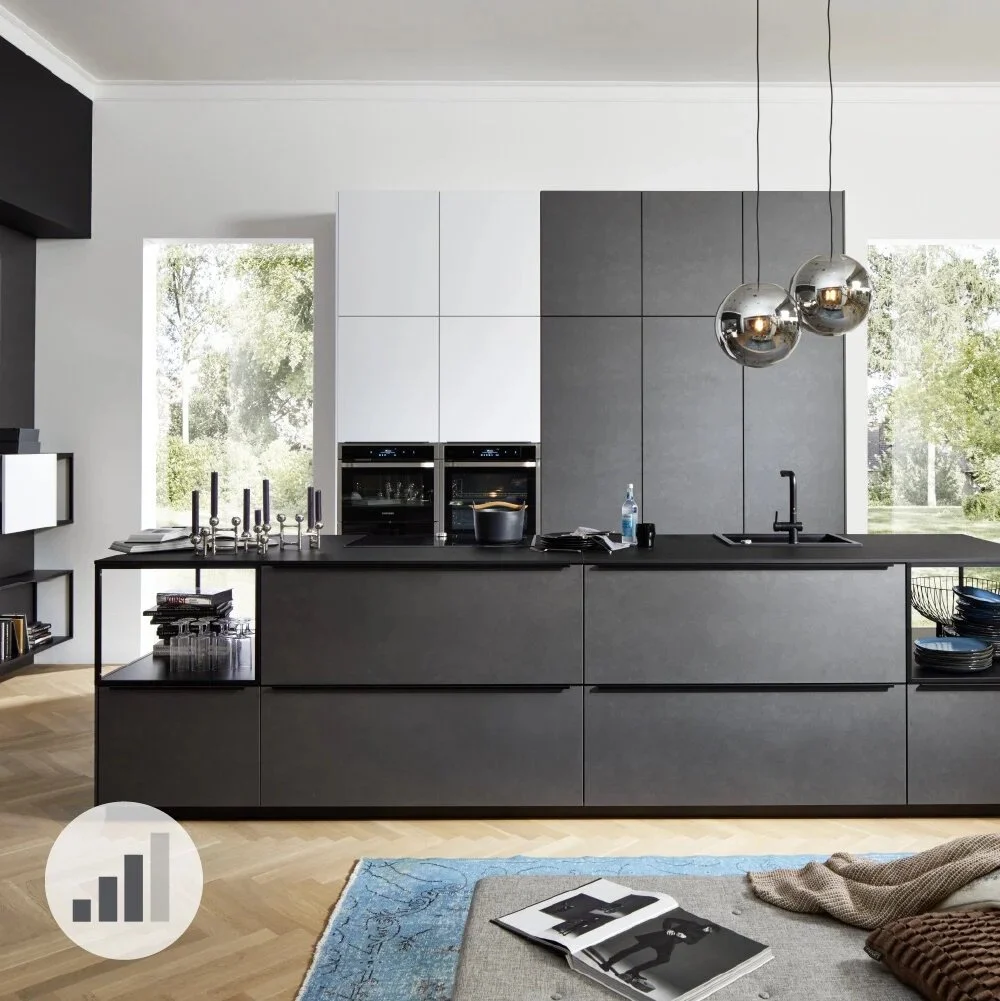
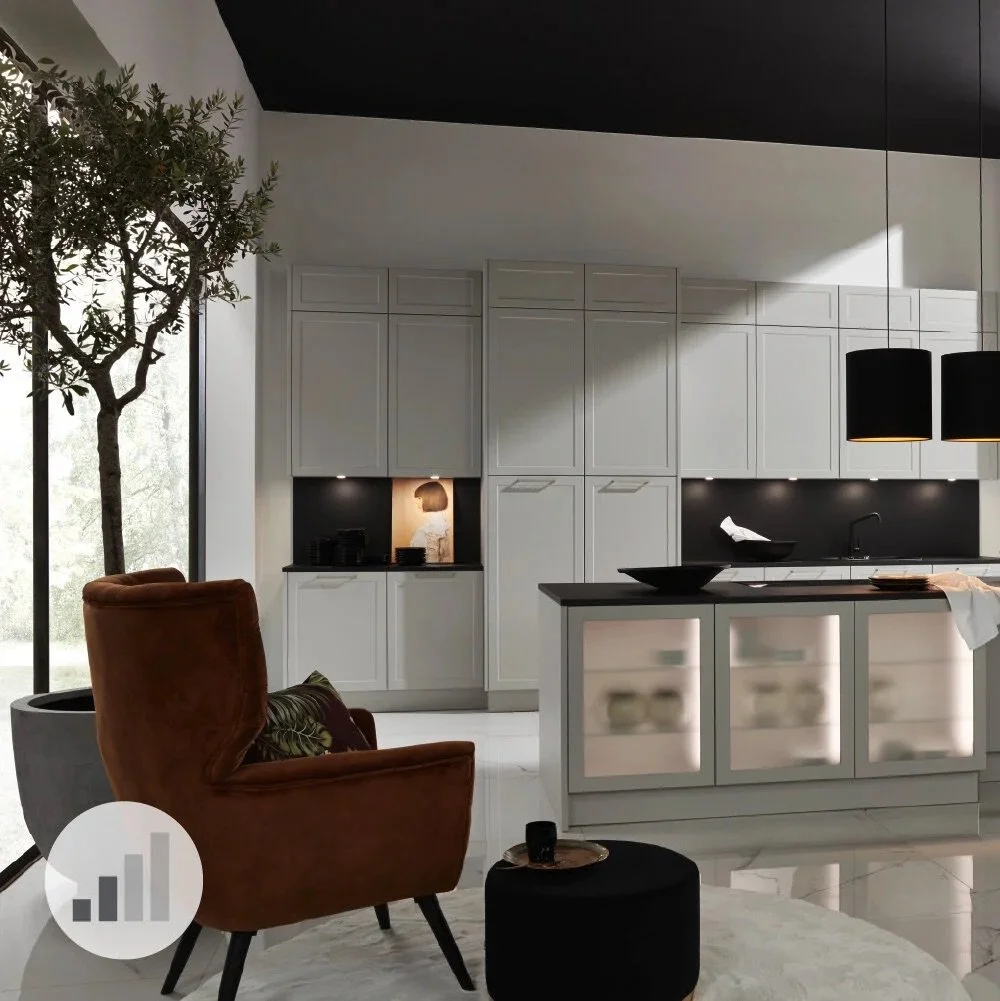
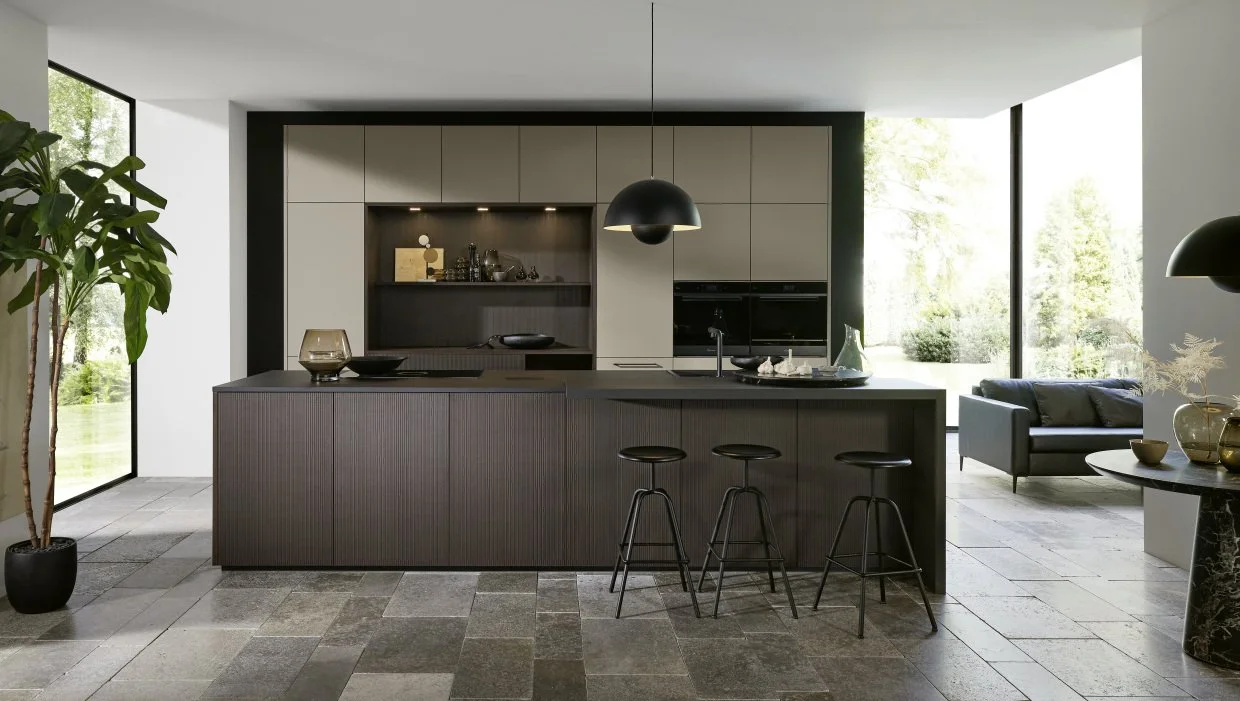
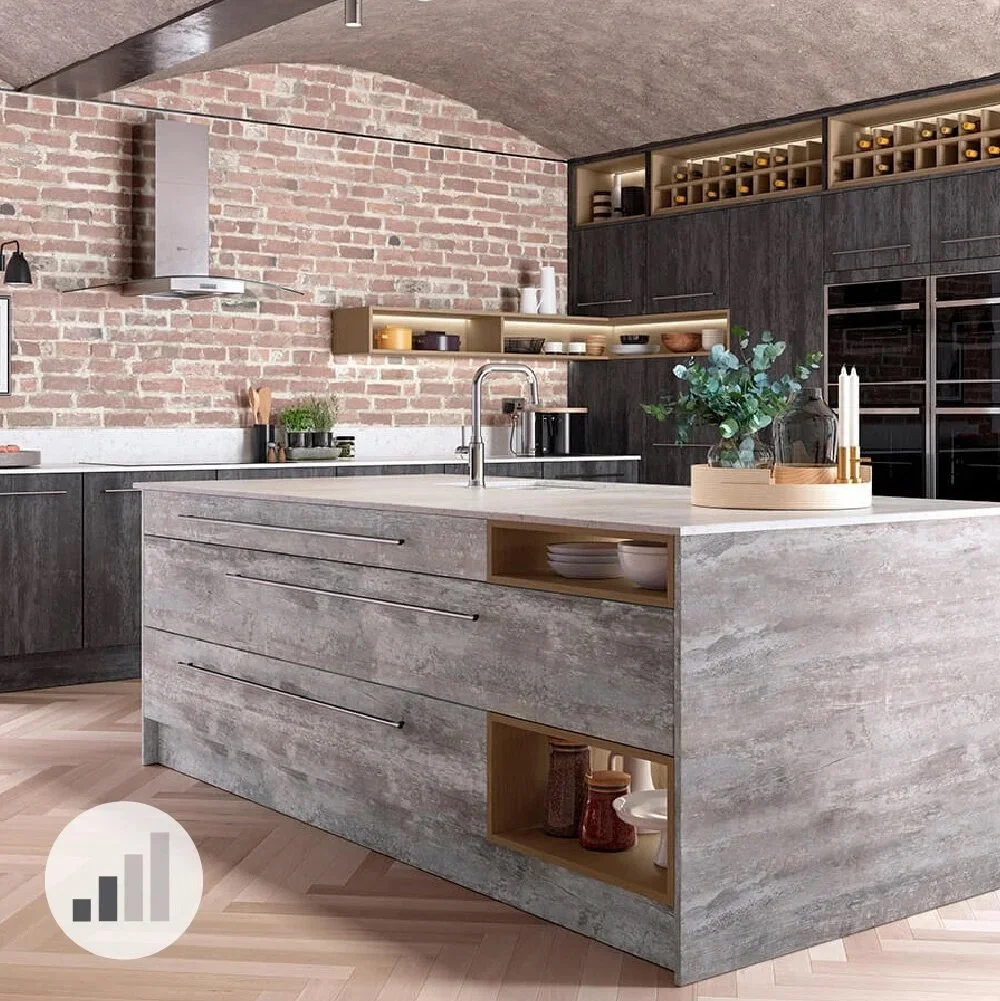
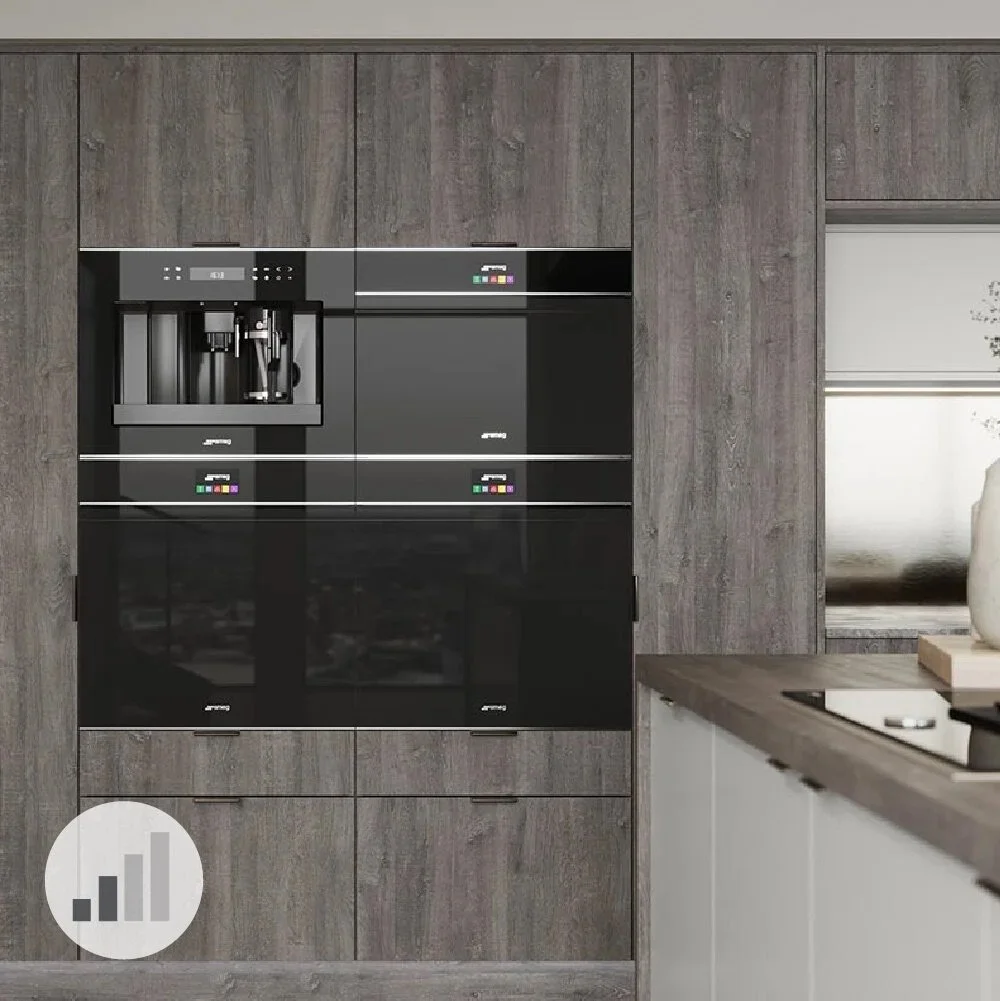
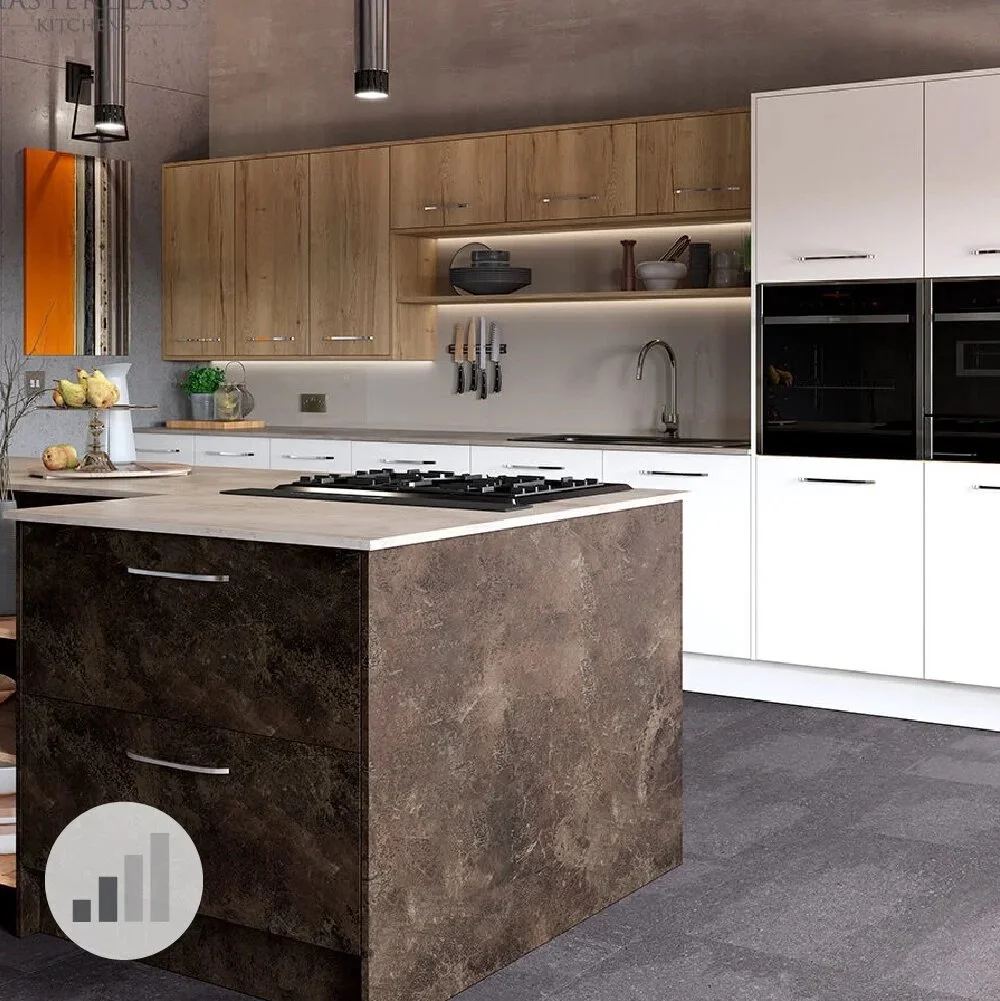
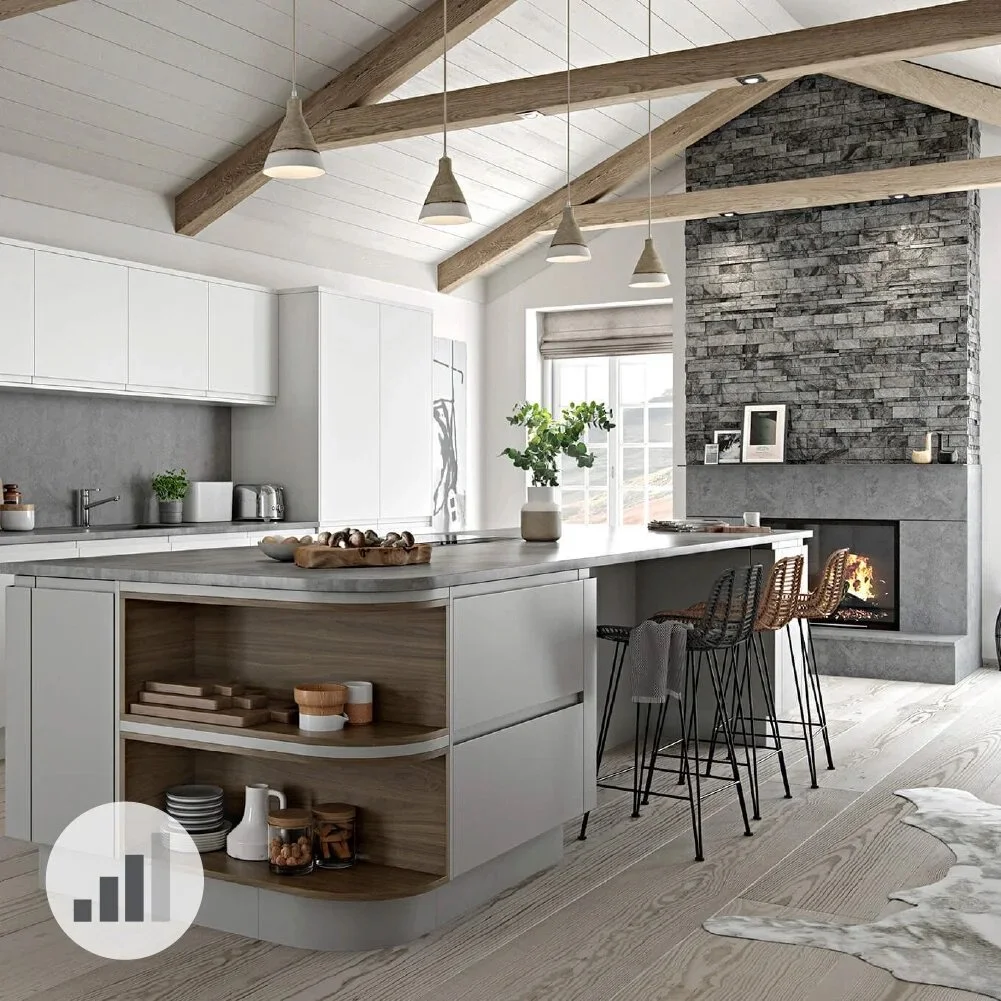
These kitchen ranges reflect the Japandi aesthetic, combining natural materials, handleless design, and carefully considered finish options. Whether you're drawn to a lighter, paler scheme or one anchored in deeper timber tones and earthy colours, each range brings a different quality of calm and intention to the space.
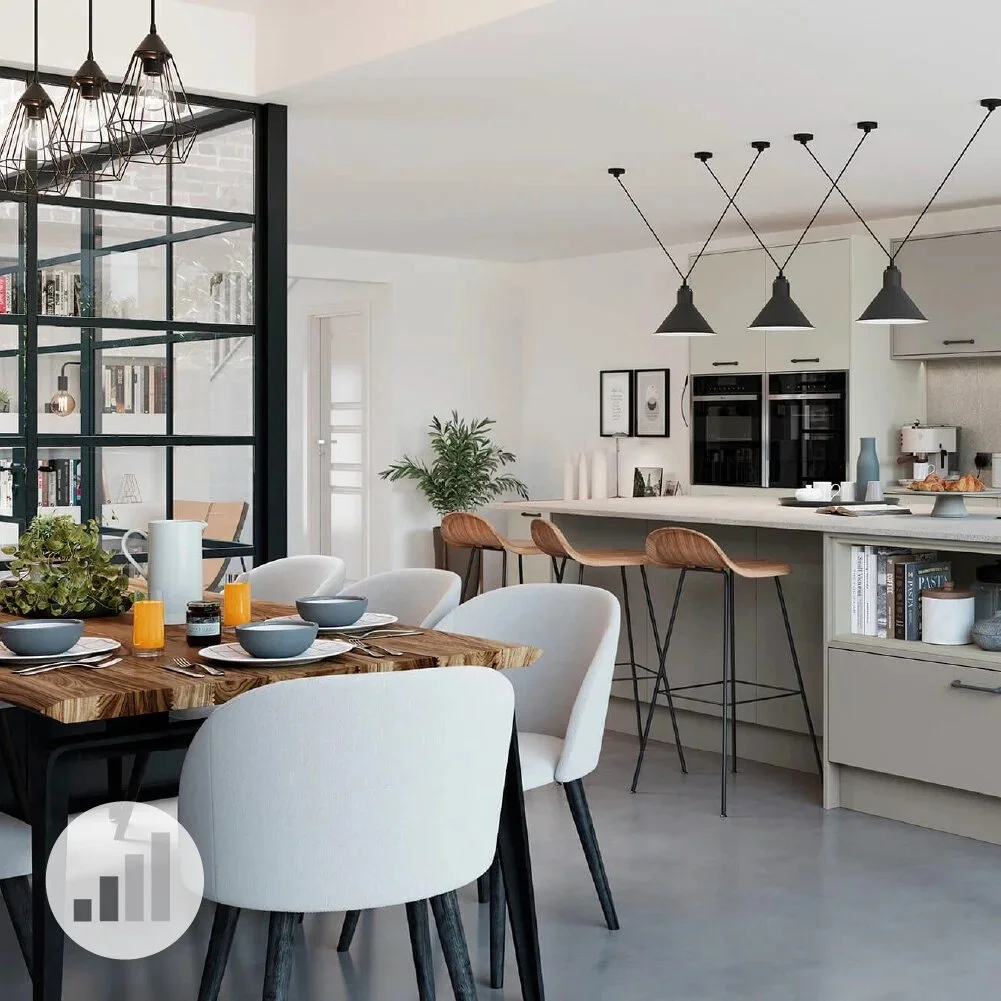
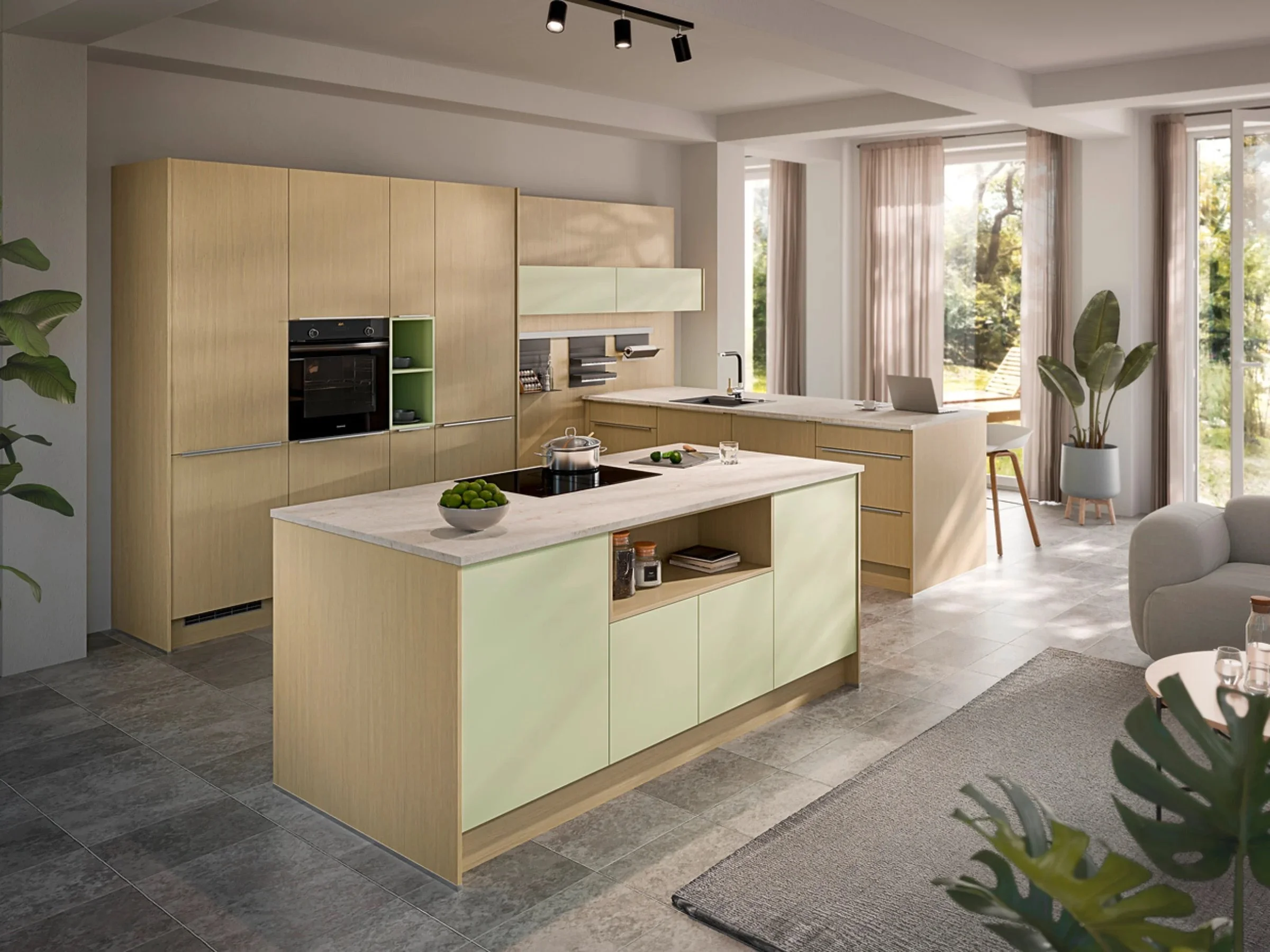
Our real Japandi kitchens
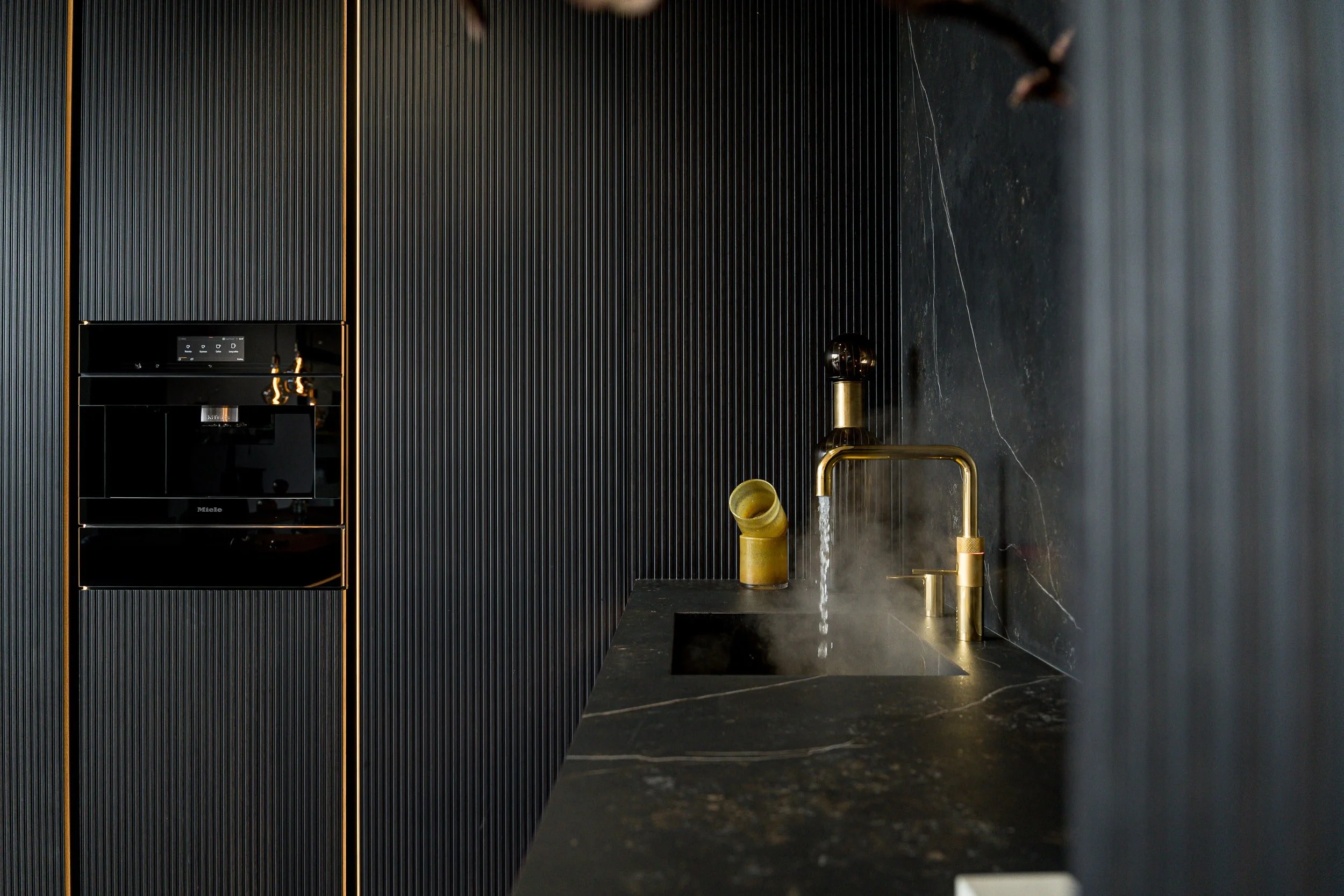
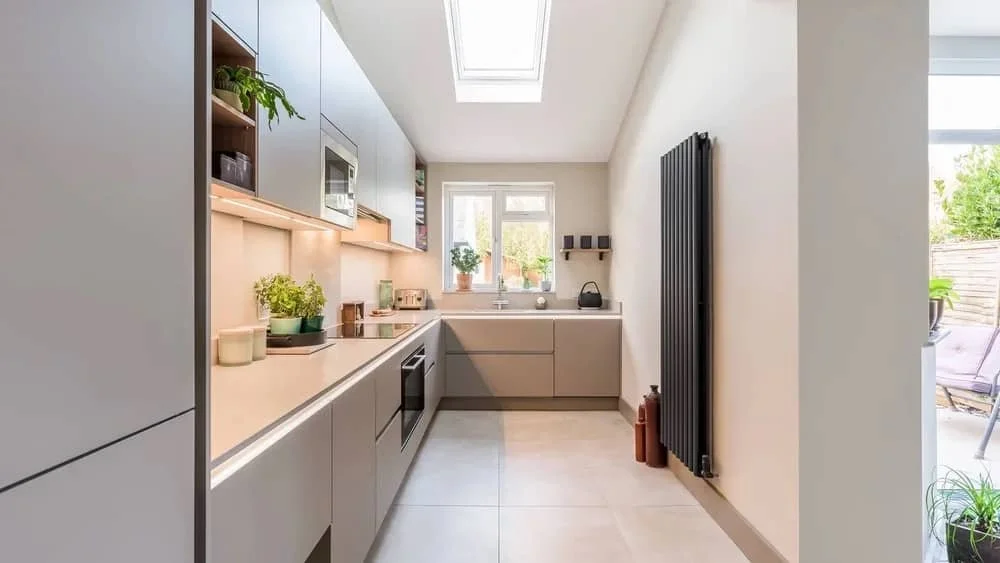
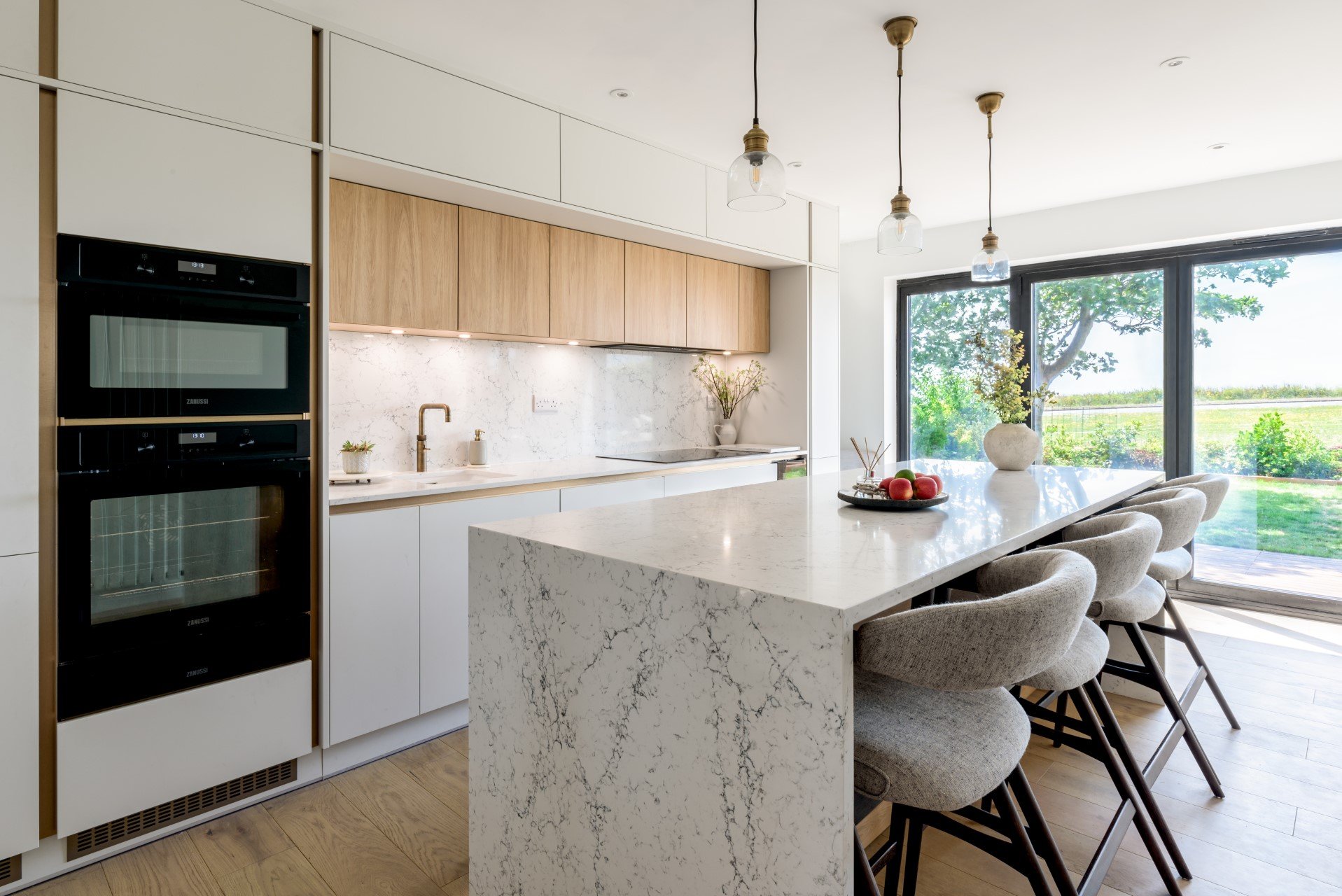
See how Japandi kitchens come to life in real homes across Sussex and the South. Each project demonstrates how intentional design, where every material and every detail has been considered, creates a kitchen that feels genuinely restful.
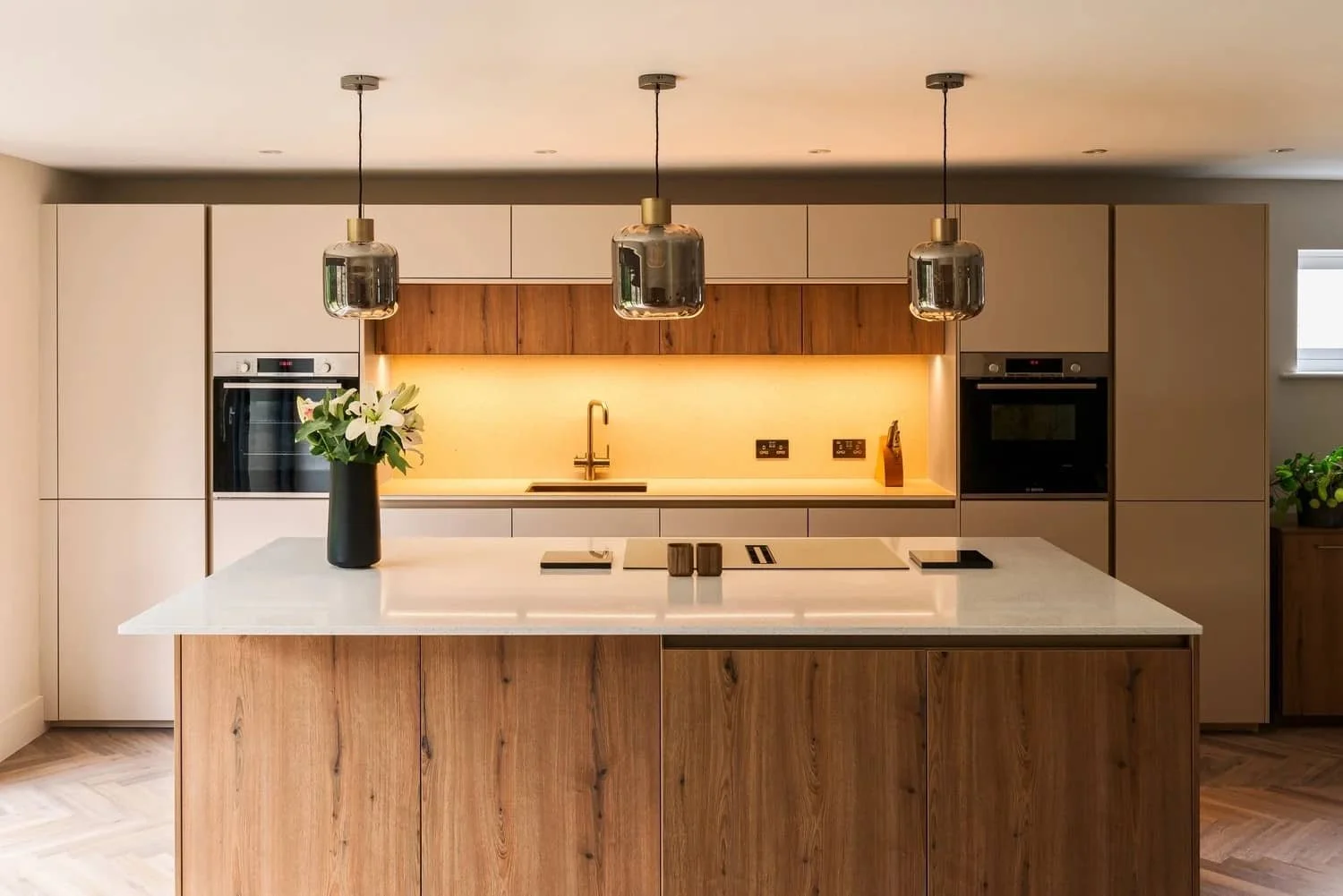

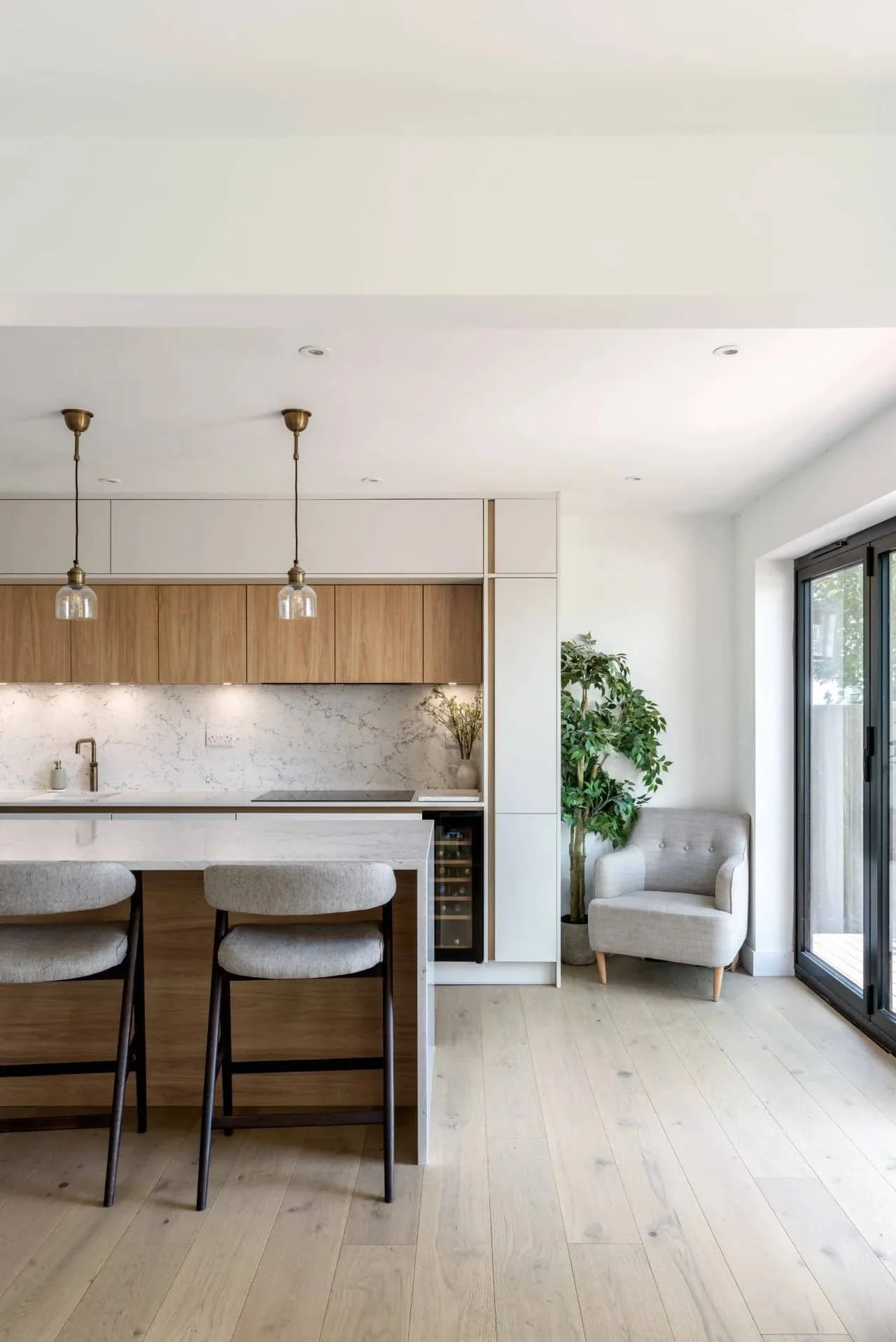
Frequently asked questions about Japandi kitchens
-
Wabi-sabi is a Japanese philosophy that finds beauty in imperfection and impermanence. The irregularity of a handmade tile, the way a timber grain varies naturally from door to door, the patina that develops on a natural stone worktop over time. It's the opposite of the pristine uniformity of a high-gloss kitchen, and it's central to why Japandi kitchens feel the way they do. A handmade ceramic, a single beautiful plant, natural stone with visible veining, these are all expressions of wabi-sabi.
-
Both share a love of natural materials, simplicity, and calm spaces. Nordic is the lighter, airier of the two, paler timber tones, cooler whites, and a mood that leans toward the Scandinavian concept of hygge. Japandi is warmer and more grounded: deeper timber tones, earthier neutrals, more shadow and contrast within the palette. If you're drawn to both, the question is whether you want a kitchen that feels light and airy or one that feels warm and enveloping.
-
Natural materials are essential. Timber, oak, walnut, or bamboo in natural finishes, provides warmth and grain. Stone, quartz in a matte finish, or concrete-effect porcelain provides the worktop weight. Handmade ceramic tiles, with their natural variation in texture and colour, are ideal for splashbacks. Nothing artificial or overly processed sits comfortably in this style.
-
Pendant lights in natural materials are essential: washi paper, linen, woven rattan, brass, or matte black metal. Recessed downlights alone will undermine the warmth of the scheme, they create a clinical quality that conflicts with the Japandi philosophy. Layered lighting, pendant over the island, under-cabinet task lighting, soft ambient plinth or shelf lighting, creates the right quality of warm, considered illumination.
-
Completely. The emphasis on concealed storage and clear surfaces means the kitchen stays calm-looking even in daily use, which can actually make it easier to live with in a busy household. Matte finishes are forgiving of daily wear. Natural materials like timber and stone develop a patina with use rather than simply looking worn. Good storage planning is as important here as the aesthetic choices.
-
Not at all. If you've been drawn to the word 'Japandi' or to images that feel calm, grounded, and natural, that's enough to start a conversation. Our designers will help you understand what appeals to you about the style and translate that into a kitchen designed specifically around your home and your life.